Conservation groups sue to force a decision on listing gray whales as endangered
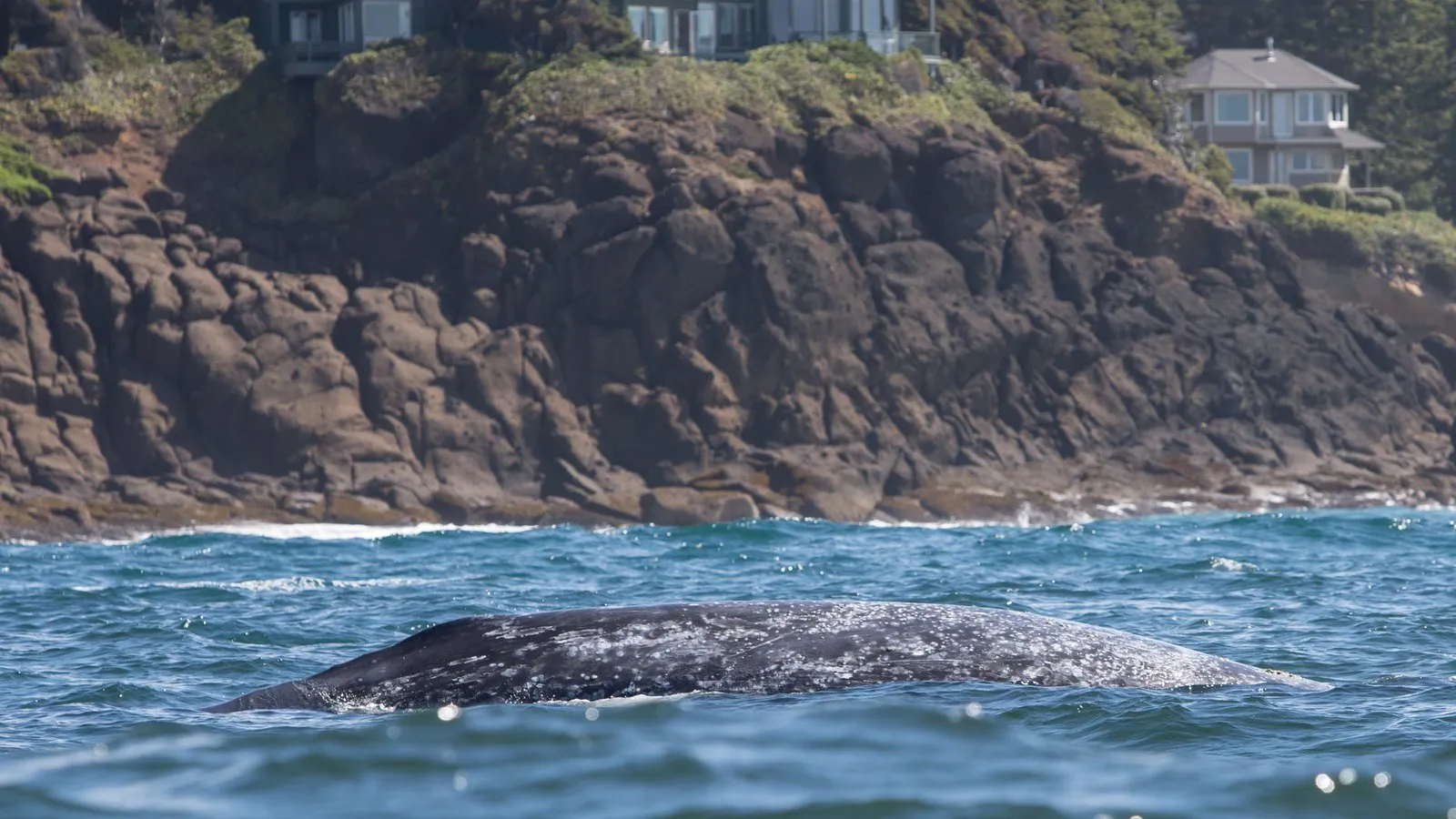
The suit asks a court to make NOAA answer a 2025 listing petition. NOAA’s newest count shows more whales than the year before, but calves remain scarce.
Marine research, whales, tsunami and earthquake science on the Oregon coast.
The suit asks a court to make NOAA answer a 2025 listing petition. NOAA’s newest count shows more whales than the year before, but calves remain scarce.
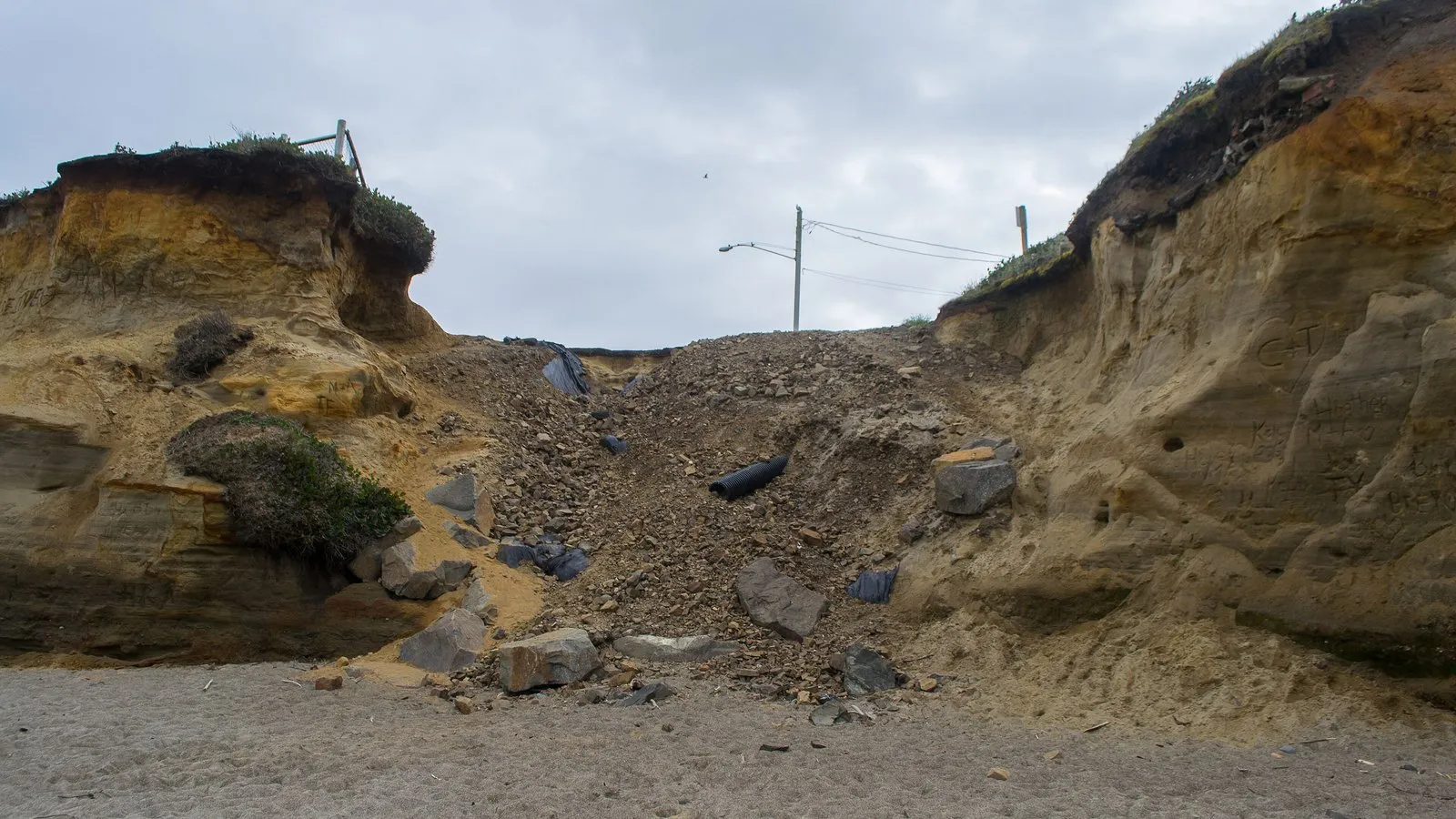
Oregon is one of three states with a B in Surfrider’s 2026 State of the Beach report. Most of its emergency armoring permits came in one 2021 event, and the rules are being rewritten.
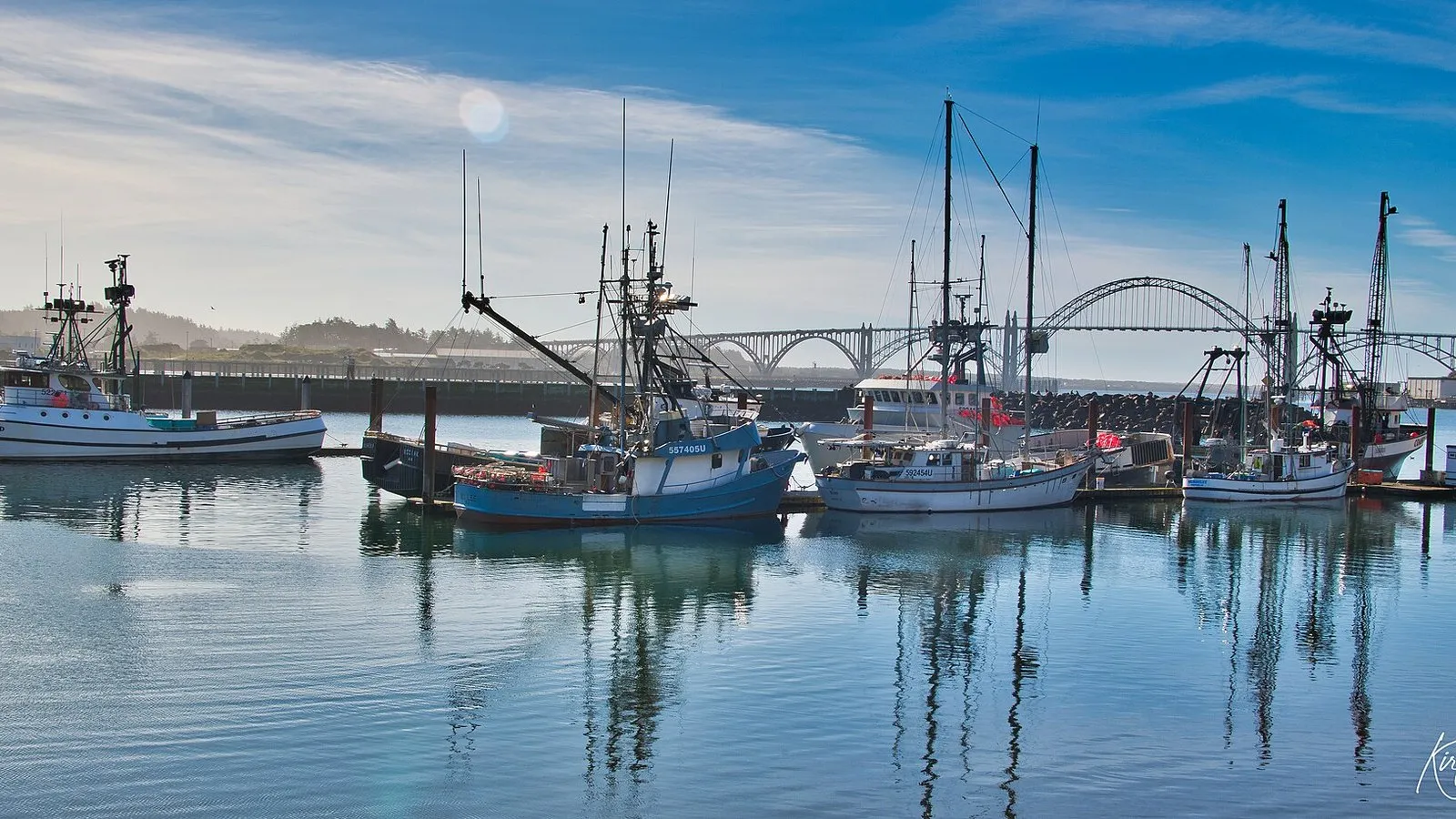
Coos Bay, Brookings and Port Orford cleared the 24% bar on Nov. 6. Pacific City and Newport North samples washed overboard crossing the bar.
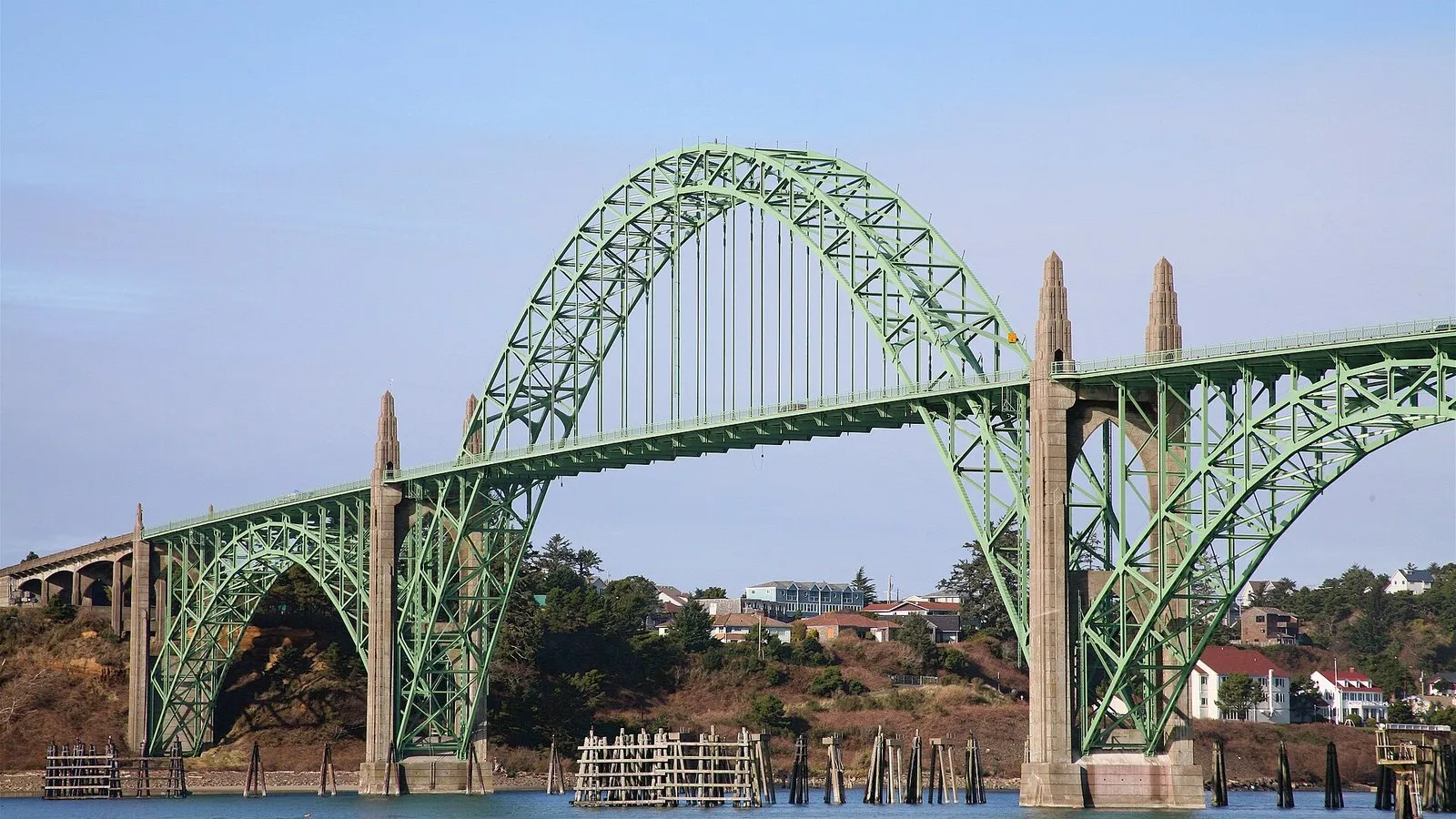
NOAA and OSU keep running the Newport Hydrographic Line every two weeks, feeding oxygen, acidification and algae data that crabbers and managers already treat like weather.
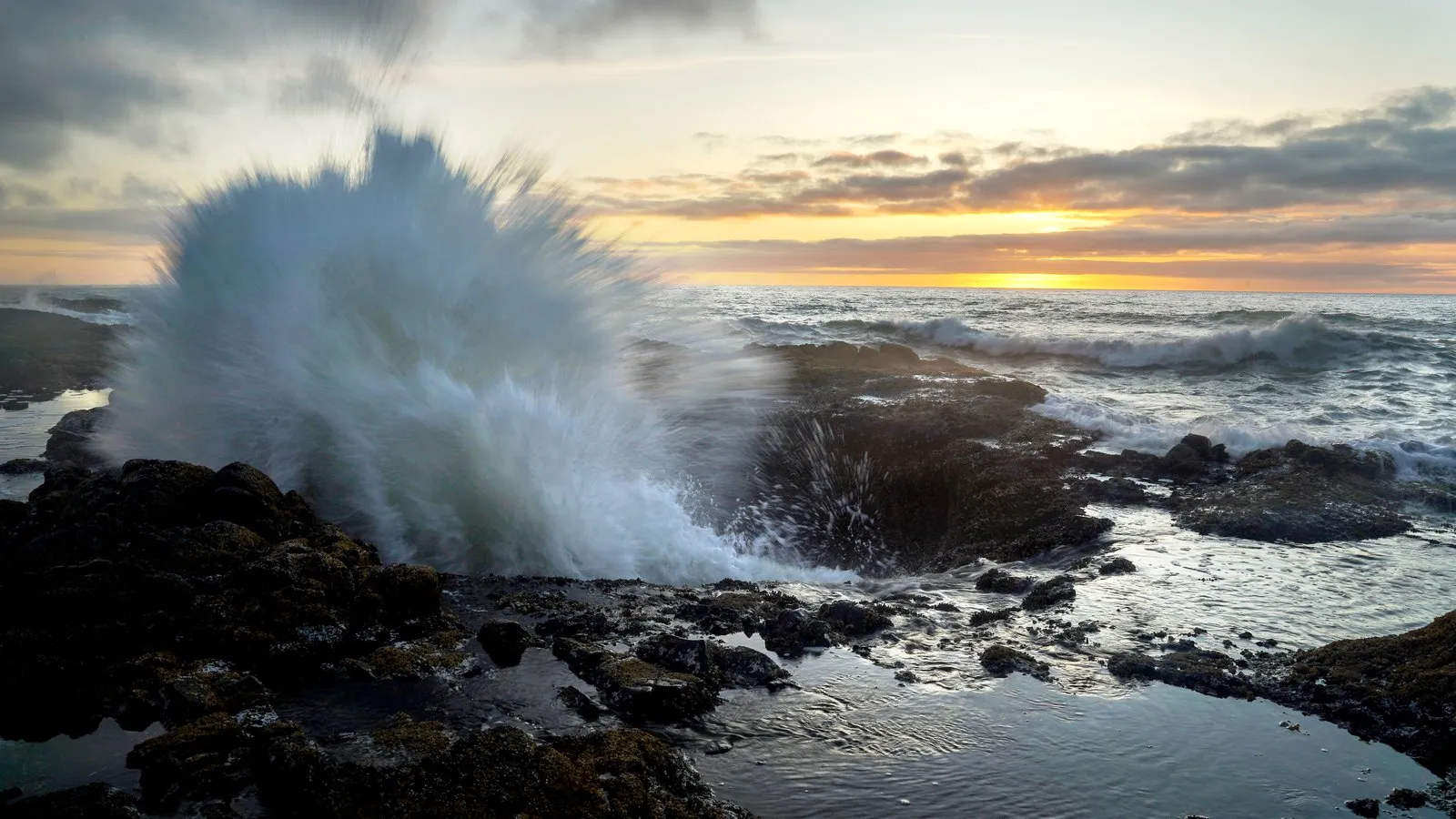
Razor clamming is closed on every Oregon beach, from the Columbia River to the California line, because of high levels of the marine biotoxin domoic acid. The Oregon Department of Agriculture posted that status on its recreational-shellfish page, which was last updated Oct. 30, 2026.
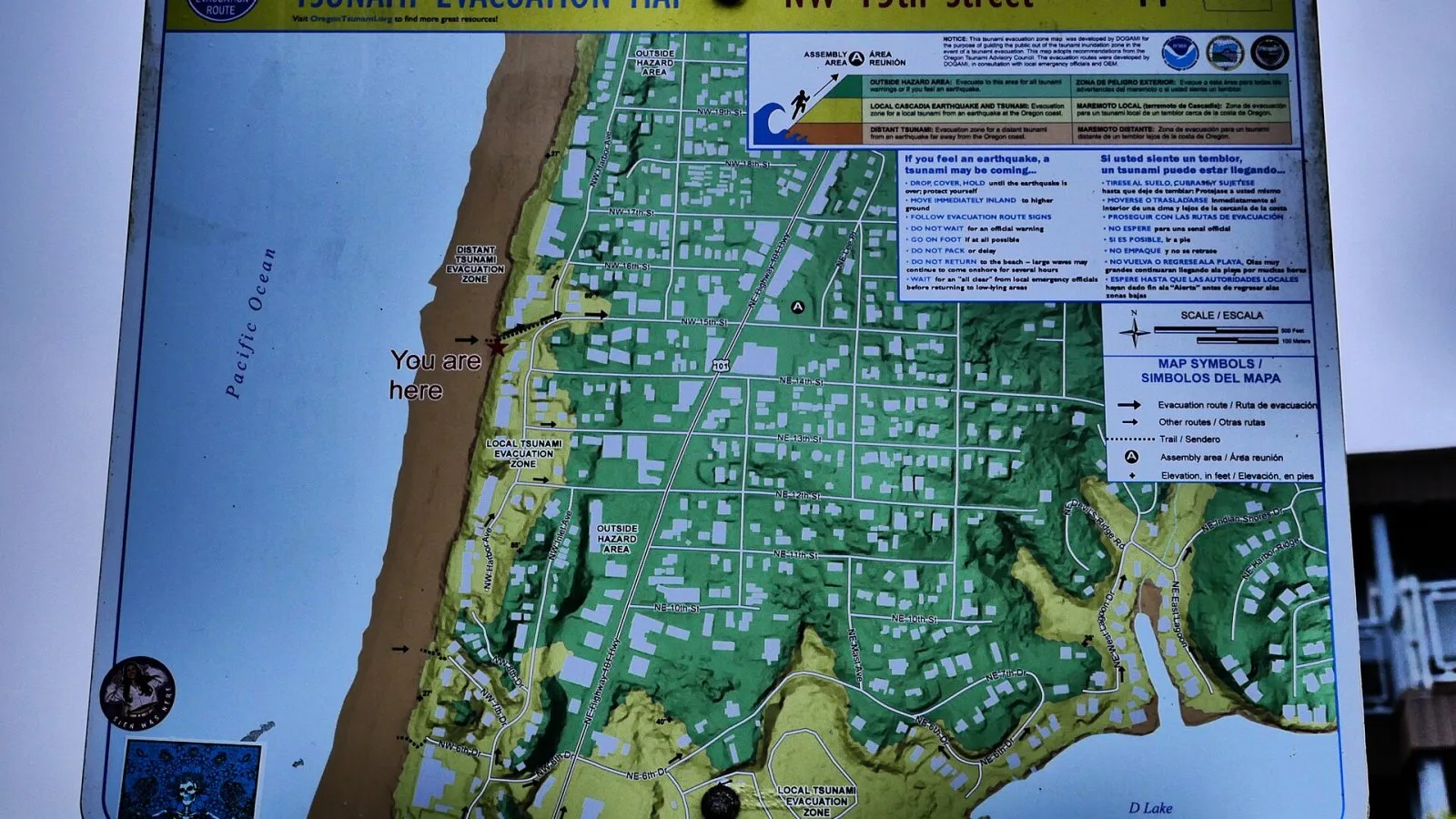
Preparing for a Cascadia earthquake and tsunami on the central coast comes down to a few steps: know what to do when the shaking starts, walk your evacuation route, store two weeks of supplies and sign up for Lincoln Alerts.
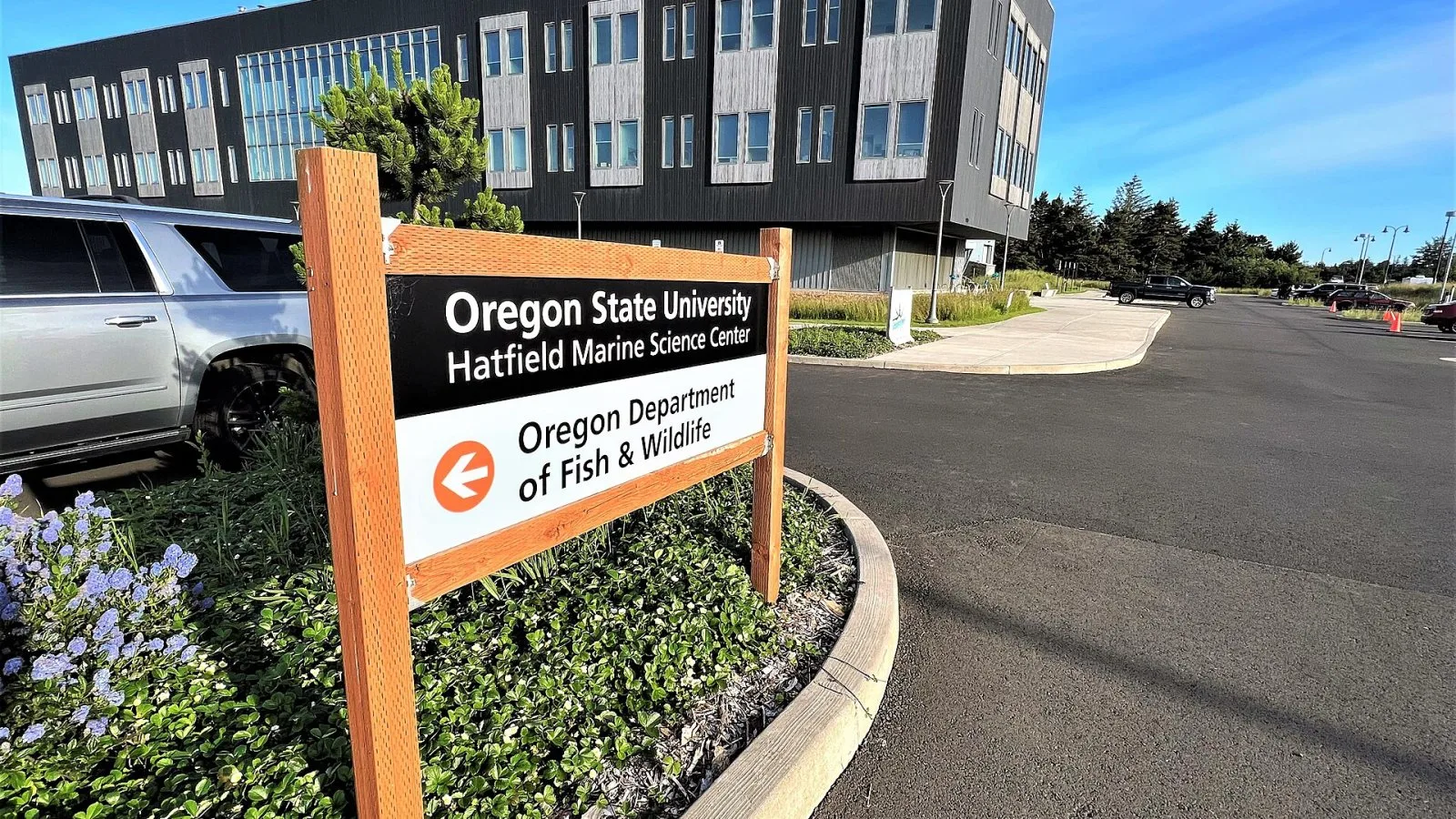
In 2016 OSU decided to build its new Marine Studies Building inside Newport’s tsunami zone at Hatfield, rather than on higher ground. The result, opened in 2020, is a building designed to survive a Cascadia quake and shelter about 920 people on its roof.
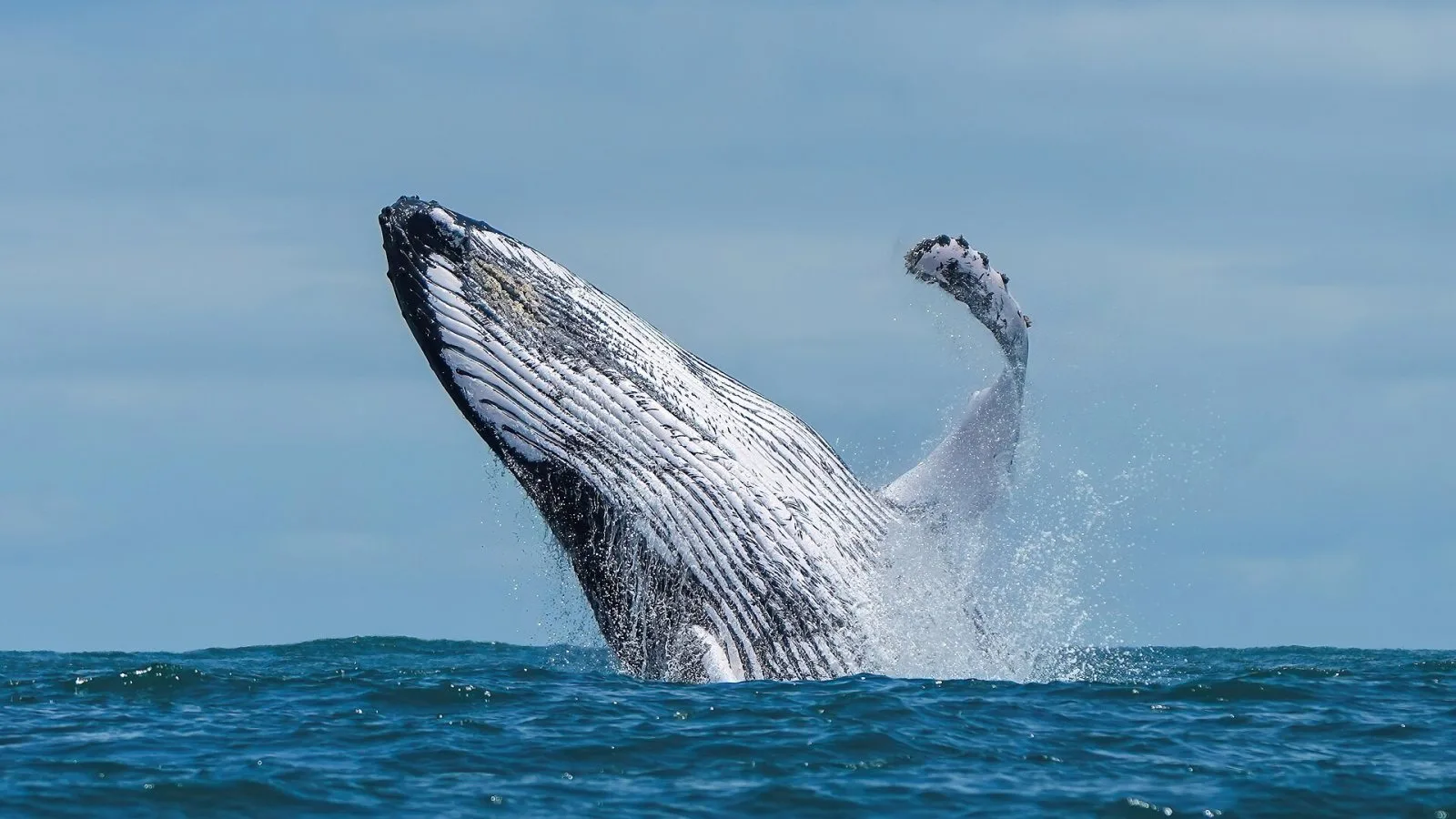
Humpback whales feeding off Oregon belong mainly to endangered and threatened populations, and some have been tangled in Dungeness crab gear. What Oregon’s crab fleet changed starting in 2020, including late-season pot limits and a 40-fathom depth rule.
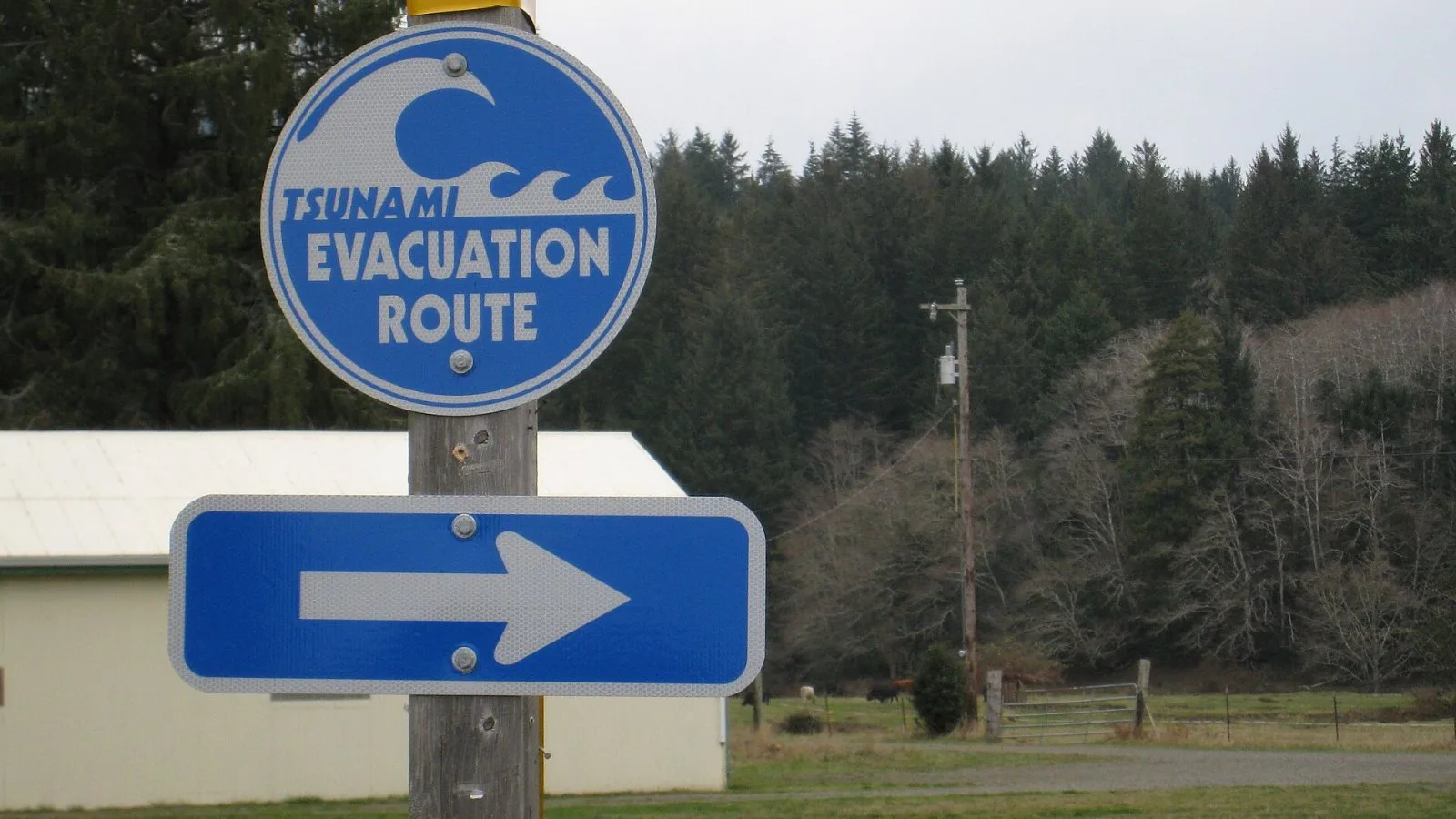
Lincoln County’s tsunami evacuation maps show two zones, one for a distant tsunami and a much larger one for a local Cascadia earthquake. How DOGAMI built them, where to find yours and what to look for when planning a route on foot.
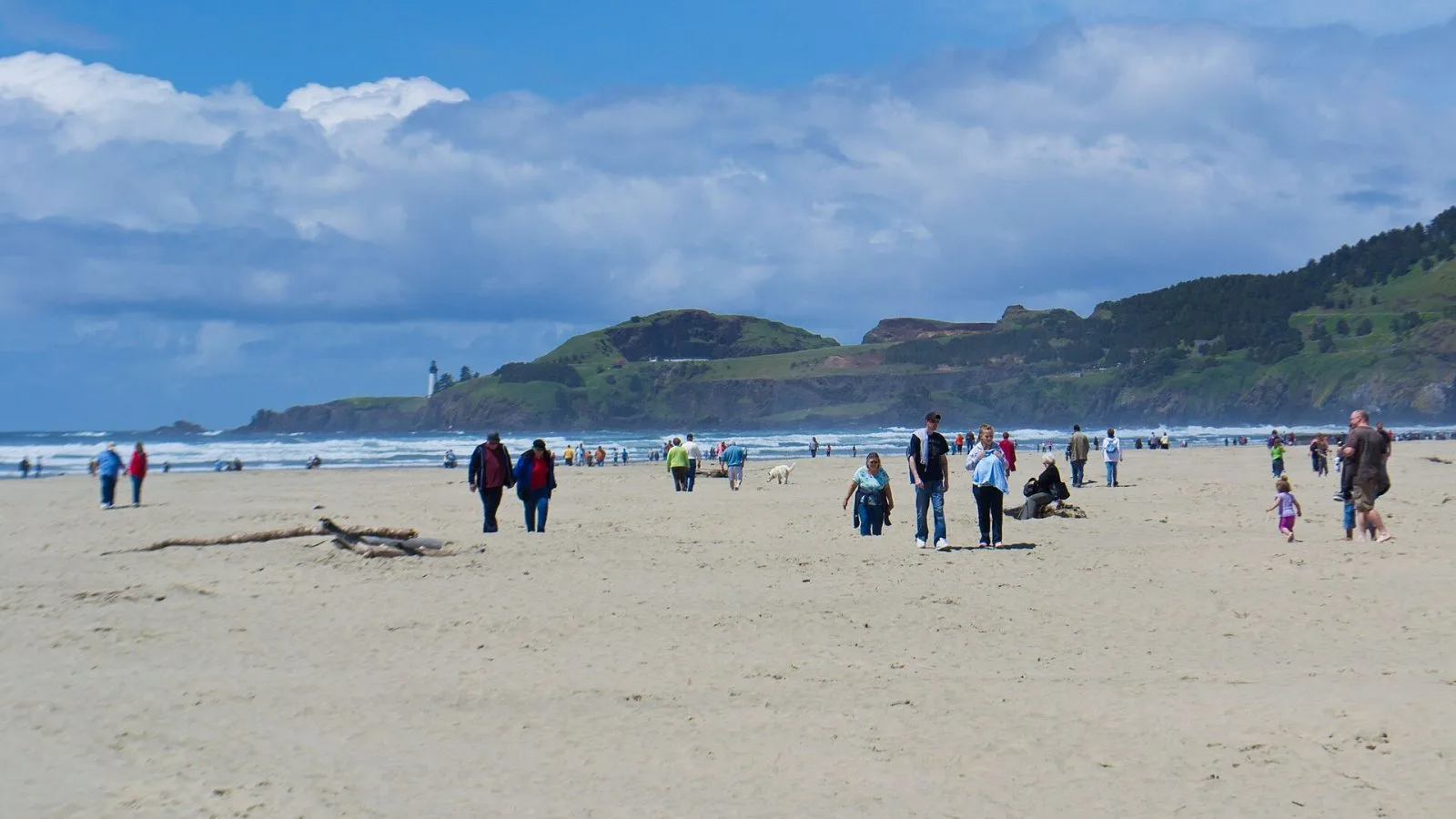
On June 5, 2012, a 66-foot concrete dock from Misawa, Japan, came ashore at Agate Beach north of Newport, 15 months after the 2011 tsunami. It carried more than two tons of marine life, including invasive species. Here is how Oregon dealt with it.
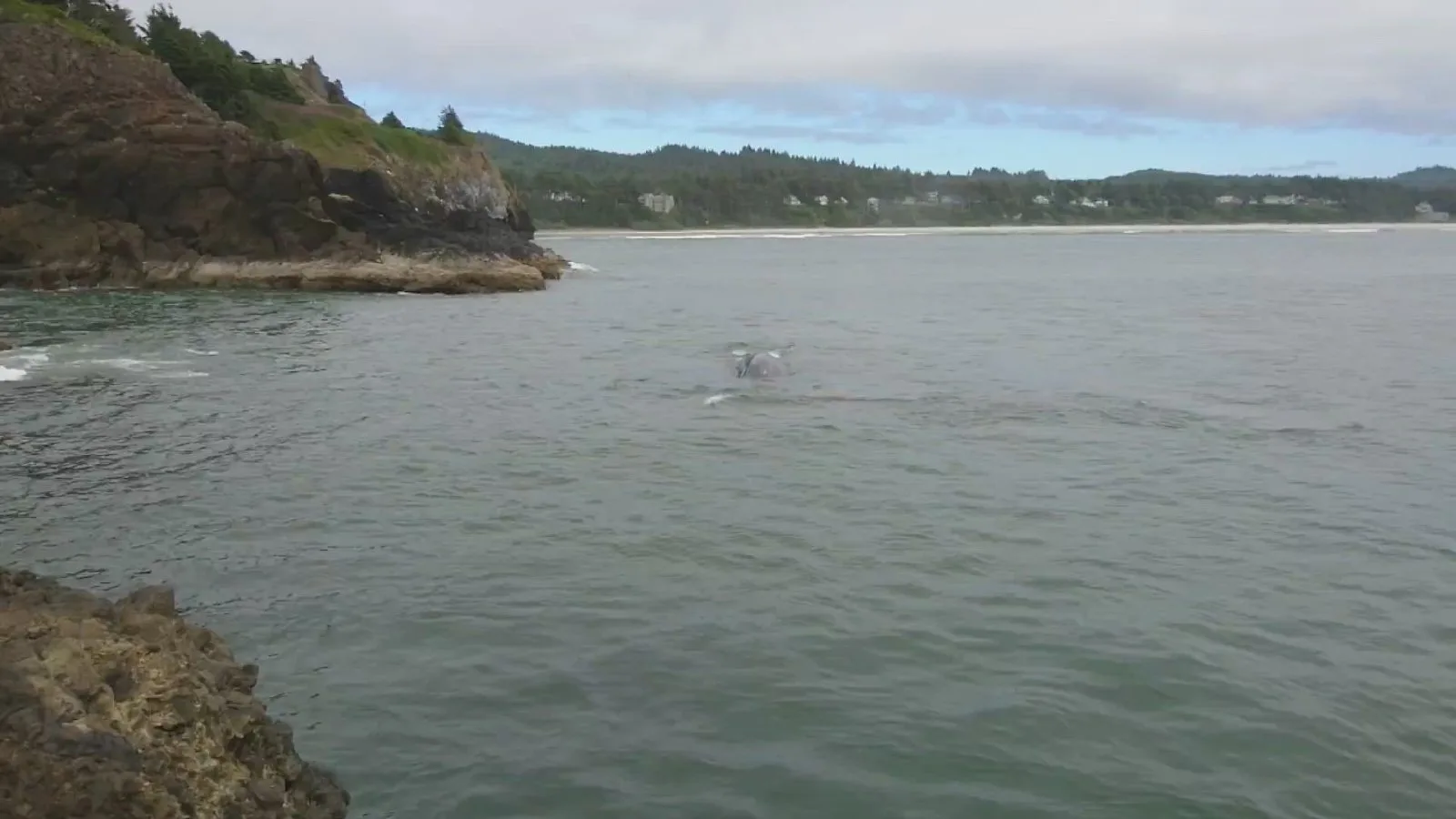
Researchers at OSU’s Marine Mammal Institute in Newport use satellite tags, drones, suction-cup cameras and photo catalogs to follow whales. Drone work on Oregon’s summer gray whales has linked their health to ocean conditions.
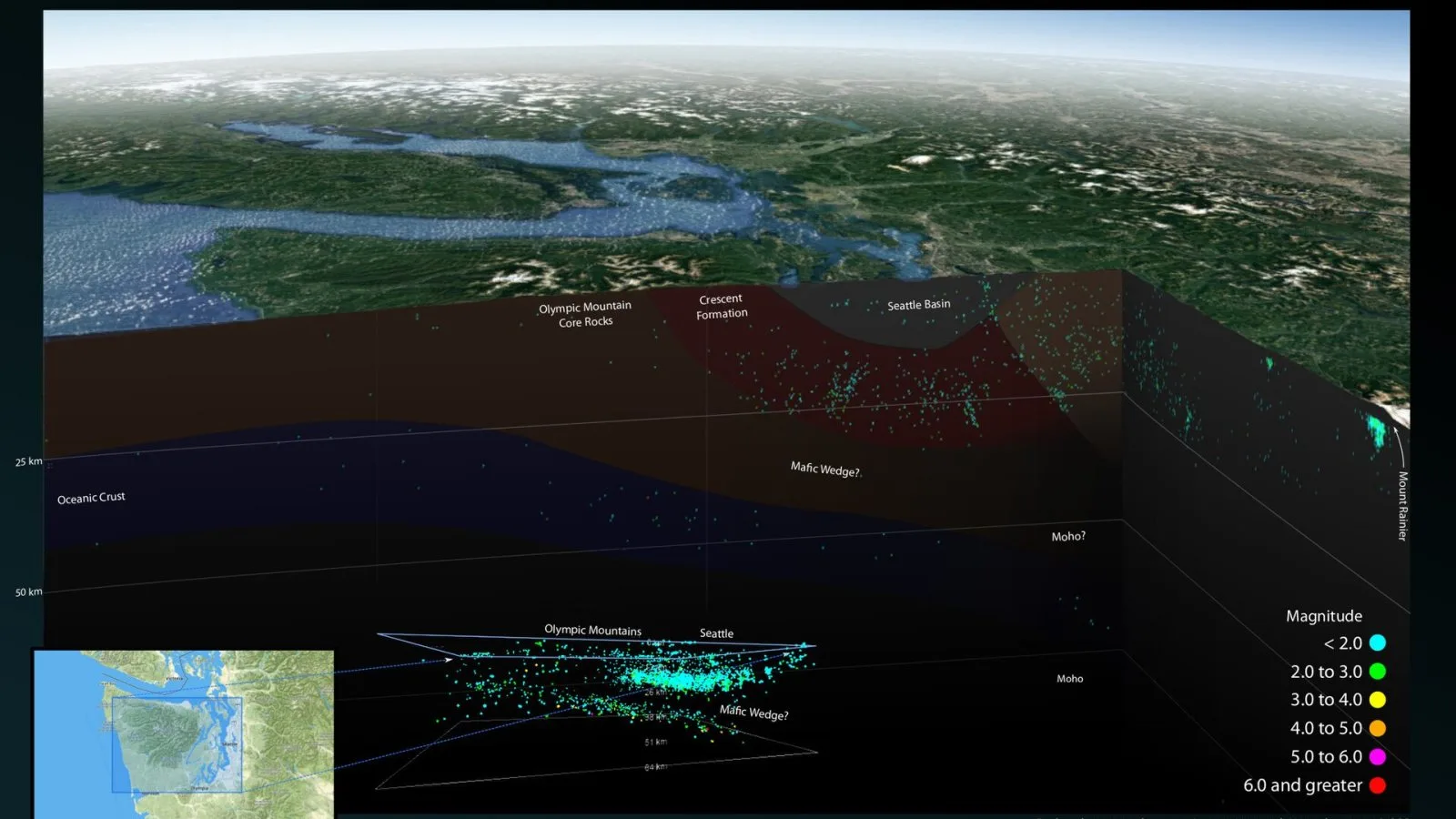
How scientists learned the Cascadia Subduction Zone produces magnitude 9 earthquakes, from drowned forests and Japanese tsunami records to Oregon State’s 13-year study of sea-floor sediment, and what the odds of the next one mean for the central coast.