Photo: George A. Grant / Wikimedia Commons, Public domain
Walk the beach in Lincoln City long enough and you may spot a colored glass ball sitting above the high-tide line or tucked by a driftwood log. If you find one, it is yours. Finders Keepers, the city’s glass float program, has hidden thousands of handmade floats each year for more than two decades, and it has become one of the town’s best-known attractions.
Where the idea came from
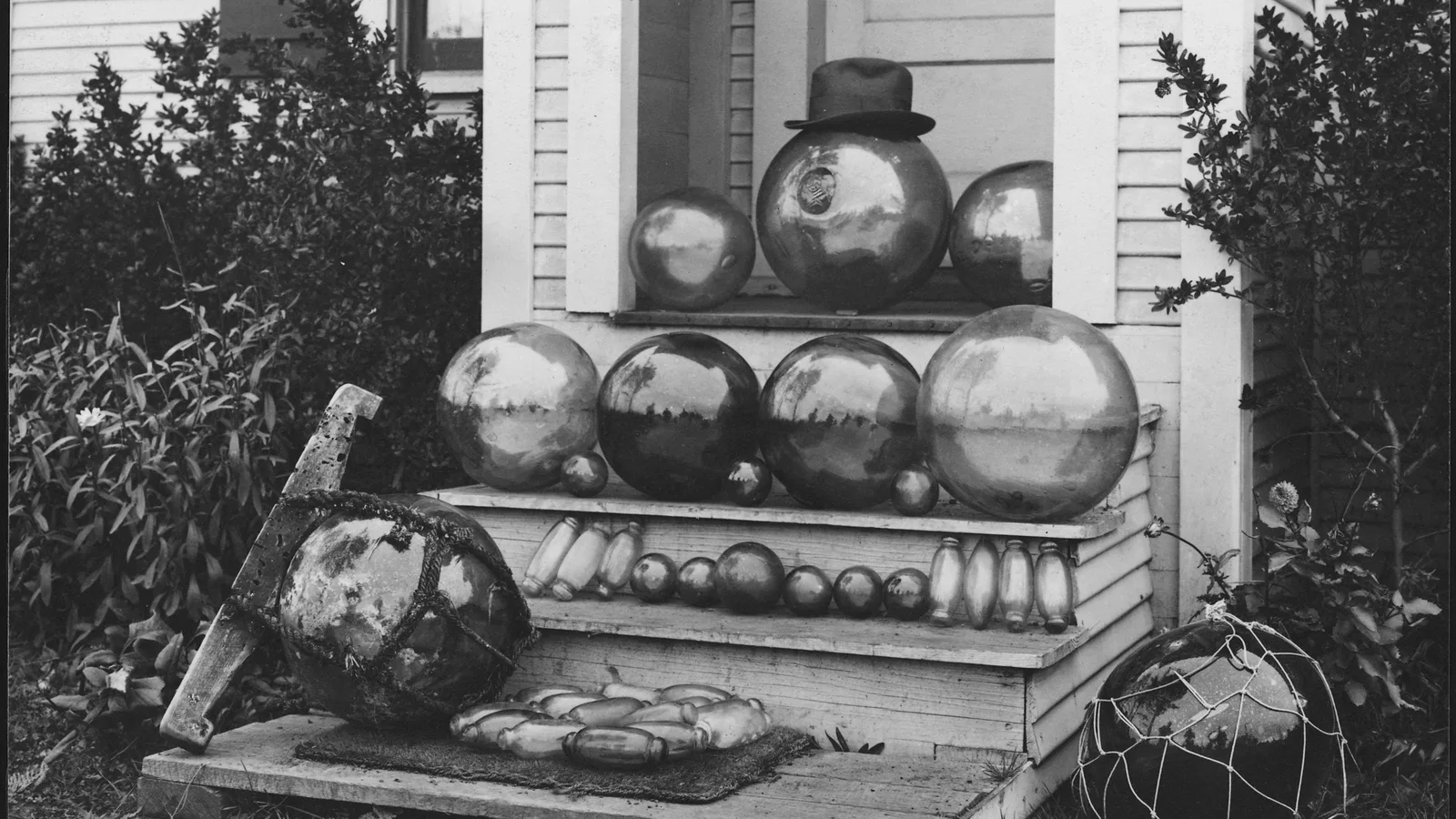
For much of the 20th century, beachcombers on the Oregon coast hunted for glass fishing floats that had drifted across the Pacific from Asia. Fishermen in Japan and elsewhere used hollow glass balls, from a couple of inches to about two feet across, to keep nets afloat. Storms and currents brought some of them to Oregon, and finding one was a beachcomber’s prize. Modern fleets switched to plastic, and old glass floats became rare.
According to Explore Lincoln City, the city’s visitor agency, the project began in 1997, when a local artist suggested glass floats as a way to mark the new millennium. The city sponsored it, and the first season, called the Millennium Float Project, ran in 1999 and 2000 with about 2,000 floats. Visitors came from around the country to look for signed, numbered floats, and many ended up in local galleries buying glass.
How it works now
The program grew into a year-round event. In 2011 the city matched the number of floats to the year and hid 2,011 of them. It later settled on about 3,000 a year, plus extra drops on special dates. The Lincoln Chronicle reported that the program would cut back on the number of special drops in 2026 while still hiding about 3,000 floats overall.
Volunteers, known locally as float fairies, place the floats along about seven miles of public beach between Roads End and Siletz Bay. They put them above the tide line and below the base of the bluffs. The program asks finders not to climb on dunes, bluffs or driftwood piles, which are dangerous and fragile. Floats come with a number, and finders can register them with the visitor center to get a certificate and information about the artist who made them.
The artists
Each float is handmade by a glass artist, many of them working in Lincoln County. That gives local studios steady work. It also brings visitors into their shops. People who catch the float-hunting bug often go looking for more glass, and some studios let visitors blow their own float or paperweight under an artist’s guidance. The program has helped make Lincoln City known for art glass.
Good for the off-season
The program runs through the fall and winter, when the coast is quieter. That is when it matters most to local businesses. A float hunt gives people a reason to drive to the beach in November or February, book a room, eat out and shop. Some visitors make a tradition of coming back each year to look for another. In a town that depends on tourism, the program helps spread visits beyond summer.
It also gets people walking the beach in all kinds of weather, which can be dangerous. Sneaker waves and rolling logs are real hazards on the Oregon coast, especially in winter, so never turn your back on the ocean while searching.
Lincoln City’s other big draw on the beach is wind. Our story on the D River kite festivals covers that side of the city’s events calendar.
Marnie Holcomb is the editor and publisher of Oregon Coast Daily News and covers Lincoln County government and community life.