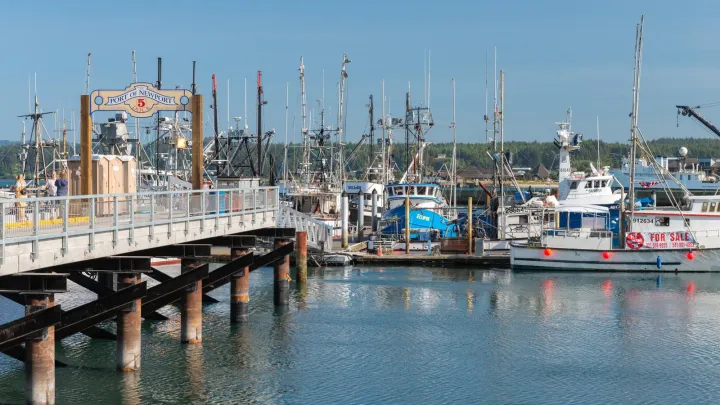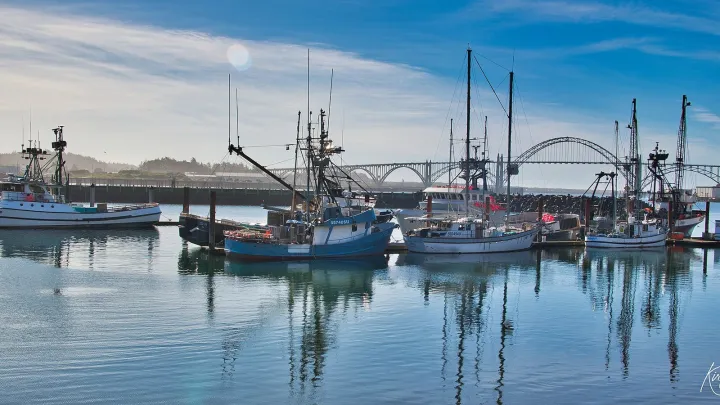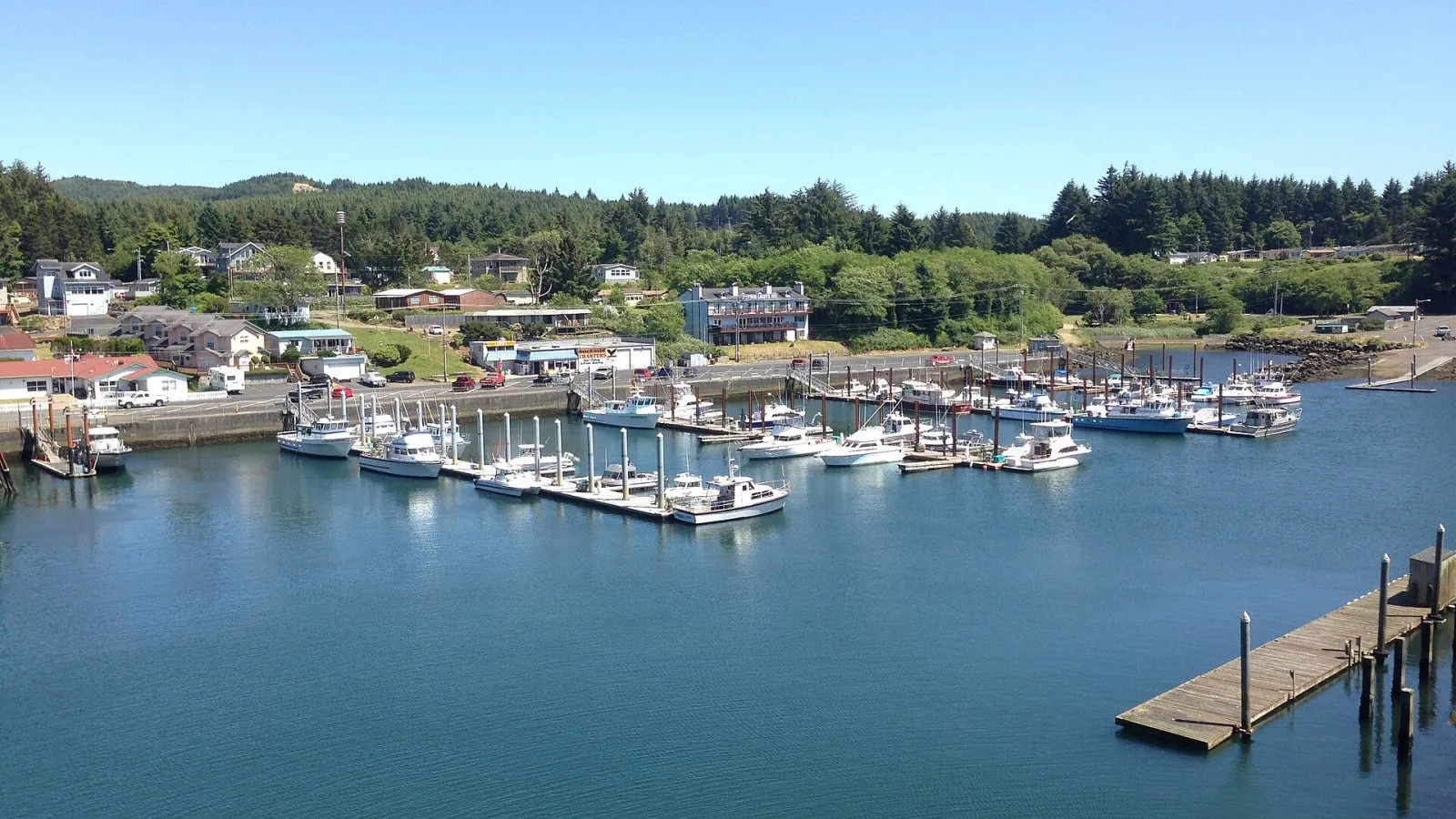
Photo: Anonymous-232 / Wikimedia Commons, CC BY-SA 4.0
Each sport halibut season off the central Oregon coast is the end of a process that starts well before the first boat goes out. Anglers who want a say in when the all-depth days fall, or how the nearshore fishery is split, have chances to weigh in, but the timing is easy to miss.
The catch limit comes first
Pacific halibut are managed across the U.S. and Canada by the International Pacific Halibut Commission, which sets an overall catch limit for each regulatory area at its annual meeting in winter. The waters off Washington, Oregon and California make up Area 2A. For 2026, the 2A catch limit was 1.54 million pounds, according to ODFW.
Within the U.S. share, the Pacific Fishery Management Council keeps a catch sharing plan that divides the allocation among tribal, commercial and sport fisheries and among the states and their subareas. Oregon’s 2026 sport allocation was 297,297 pounds. NOAA Fisheries publishes the final plan and season rules each spring.
Oregon’s central coast subarea
Most Lincoln County anglers fish the Central Oregon Coast Subarea, which runs from Cape Falcon in the north to Humbug Mountain in the south. Its quota is split into an all-depth fishery and a nearshore fishery inside the 40-fathom line.
The structure has changed in recent years. Earlier seasons opened the all-depth fishery only on set days, often Thursday through Saturday, with back-up dates if quota remained. In 2026 the subarea was open seven days a week, according to the federal rule:
- Spring all-depth: May 1 to July 31, with a quota of 209,126 pounds.
- Summer all-depth: Aug. 1 to Oct. 31, with a quota of 59,709 pounds.
- Nearshore, inside 40 fathoms: May 1 to Oct. 31, with a quota of 10,000 pounds.
Each fishery closes early if its quota is reached. The daily bag limit is two halibut. Anglers need a combined angling tag and must record each fish.
Where the public comes in
The Oregon Department of Fish and Wildlife holds public meetings and online surveys each fall and winter to ask anglers about the structure: open days, the balance between all-depth and nearshore fishing, spring and summer splits and bag limits. Those preferences go into the state’s recommendations to the council, which typically adopts changes to the catch sharing plan in the fall for the following year. ODFW announces meetings in its news releases and its weekly Recreation Report.
Halibut anglers are often divided. Charter operators and anglers who travel to the coast may prefer predictable fixed dates, while local private boat owners may want flexibility to pick calm days. Moving to seven days a week was one answer, though it can mean the quota is caught faster.
During the season
Catch is tracked through dockside sampling, and ODFW can adjust seasons or close a fishery early if quota is reached. Anyone fishing from Newport or Depoe Bay should check the latest in-season notice before each trip, and the bar conditions too. Halibut grounds off Newport are often well offshore, so weather matters.
Fishing rules for groundfish, including depth limits, can also affect halibut trips, since anglers often target both. For background, see our story on the groundfish recovery. Our guide to ODFW’s weekly reports explains where in-season notices appear, and our Depoe Bay charter guide covers the charter fleet.