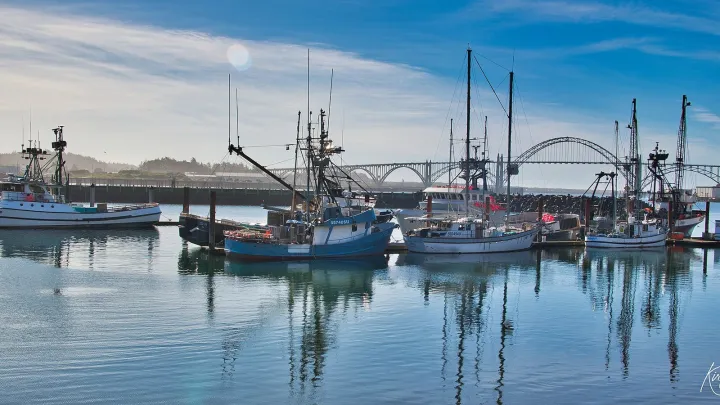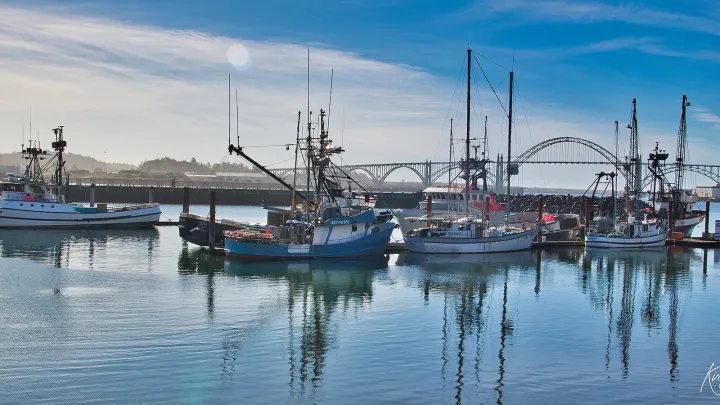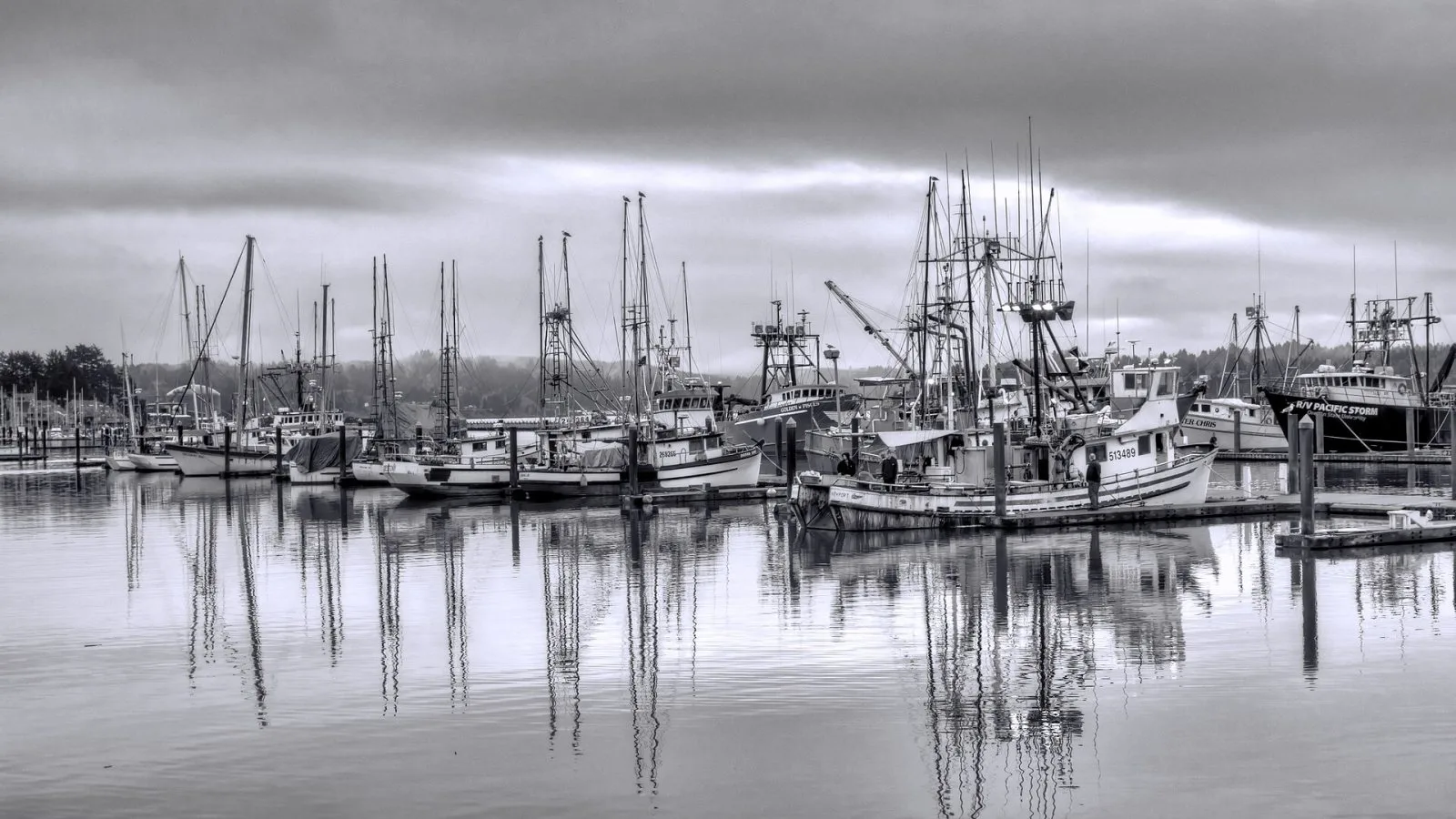
Photo: Sandy Horvath-Dori from Grand Junction, CO, USA / Wikimedia Commons, CC BY 2.0
The Oregon Department of Fish and Wildlife publishes a weekly Recreation Report that pulls together fishing, hunting and wildlife-viewing notes from biologists around the state. For Lincoln County readers, two sections do most of the work: the Northwest Zone, which covers the rivers and lakes from the Columbia south past the Alsea, and the Marine Zone, which covers ocean salmon, bottomfish, halibut, crabbing and clamming. The report is posted on ODFW’s MyODFW website.
What the marine section covers
The Marine Zone report is where season changes show up first. In-season actions on ocean salmon, the halibut openings, changes to bottomfish depth limits and any shift in the daily bag limits are posted there, along with notes on how the fishing has been out of Newport and Depoe Bay. Because federal and state managers adjust some seasons as catch numbers come in, the report from two weeks ago is not a safe guide to what is open today.
Halibut is a good example. The central coast quota is divided among spring and summer all-depth fisheries and a nearshore fishery, and each closes when its share is caught. Our guide to how halibut seasons are set explains the process. For bottomfish, see our story on the groundfish recovery.
Rivers, lakes and the bay
The Northwest Zone section covers the Siletz, Yaquina, Alsea and Salmon rivers and the stocked lakes, with notes on trout plantings, steelhead and salmon runs. ODFW also publishes a trout stocking schedule, so you can see when Devils Lake near Lincoln City or other area lakes are due for fish.
Hatchery changes can affect what’s in the rivers. In 2025, ODFW lost funding for the Salmon River Hatchery near Otis and began moving production elsewhere, as we reported in our story on the hatchery.
Check shellfish safety separately
Clamming and mussel harvest closures are not set by ODFW alone. The Oregon Department of Agriculture tests shellfish for marine biotoxins such as domoic acid and paralytic shellfish toxin, and it closes stretches of coast when levels rise. Cooking does not destroy these toxins.
The ODA’s recreational shellfish closures page and its shellfish safety hotline, 1-800-448-2474, are the place to check before you dig on Yaquina Bay or harvest mussels on the open coast. Crab closures for biotoxins are announced the same way. Razor clam closures for domoic acid have been common in recent years. Under state rules, a closed area reopens only after two consecutive samples, at least a week apart, test below the closure limit.
For crabbing and clamming tips, see our guide to Alsea Bay crabbing.
Licenses and tags
Oregon residents and visitors need a license for most fishing, crabbing and clamming, plus tags for salmon, steelhead, sturgeon and halibut. Licenses are sold online through ODFW’s licensing system, at license agents such as sporting goods and bait shops, and on the MyODFW app, which can also hold electronic tags.
Hunting
For hunters, the same weekly report has the Northwest Zone hunting outlook, including notes on deer and elk in the Coast Range and waterfowl on the bays. The annual Oregon Big Game Regulations and the game bird regulations remain the legal reference, and ODFW posts corrections to them online during the season. Much of the Coast Range is private timberland, so check access rules with landowners. ODFW’s Access and Habitat program opens some private lands to hunting.
Before you go
Check the weather and, for boaters, conditions on the Yaquina Bay bar. The National Weather Service and U.S. Coast Guard post bar conditions and restrictions, which can change quickly.