Photo: Oregon Department of Fish & Wildlife / Wikimedia Commons, CC BY-SA 2.0
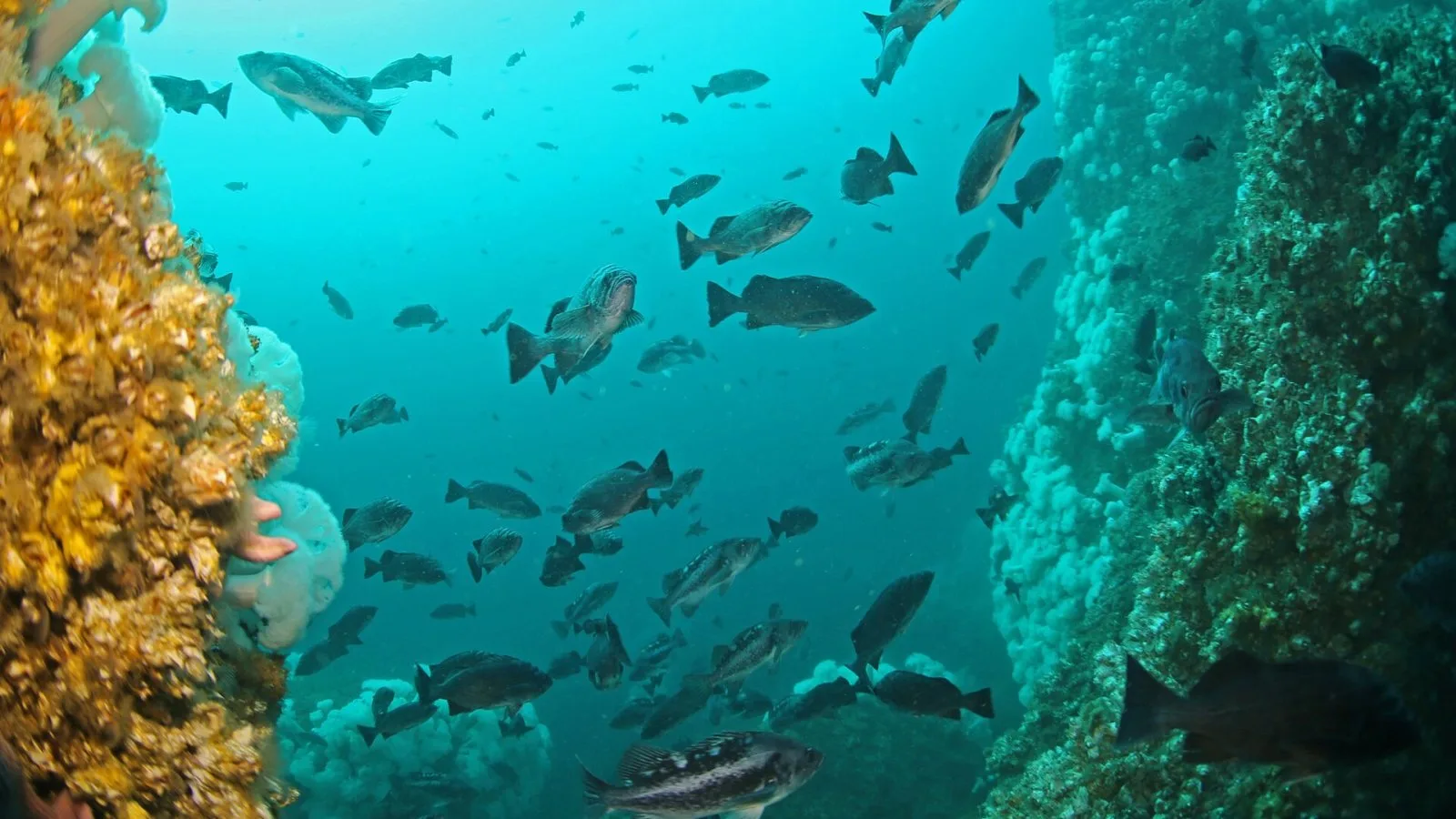
Groundfish is the catch-all name for the bottom-dwelling fish of the West Coast shelf and slope: rockfish, lingcod, sablefish, Dover sole, petrale sole and dozens of others, more than 90 species in all. For decades they were a mainstay of the trawl fleet out of Newport, and in the late 1990s several of the species were in serious trouble.
The low point
In 2000 the U.S. Commerce Department declared the West Coast groundfish fishery a federal disaster. Ten species were eventually declared overfished, meaning their populations had fallen below a quarter of healthy levels. Rockfish grow slowly and can live for decades, so stocks that had been fished down could not be rebuilt quickly.
Managers responded with steep cuts in catch limits and large closed areas on the continental shelf known as Rockfish Conservation Areas. In the early 2000s, a federal buyback approved by Congress removed 91 trawl vessels and 239 permits for about $46 million, according to a 2026 Mongabay report. Fishermen who stayed are still repaying most of that cost through a fee on their landings. About 40 percent of the fleet sold out or moved to Alaska, former NOAA biologist Waldo Wakefield told Mongabay.
A new system
In 2011 the trawl fishery moved to a catch share program, in which each permit holder receives individual quotas and has to account for everything caught. Every trawl trip had to carry an independent observer. The change ended the old race to catch fish before the fleet’s overall limit was reached, and it gave fishermen a reason to avoid the scarce species, because running into them could use up quota needed for the rest of the season.
Many fishermen opposed the changes at the time, seeing them as a threat to their businesses. In 2014 the West Coast limited-entry groundfish trawl fishery received Marine Stewardship Council certification, with the council citing catch shares as central to reducing bycatch.
Stocks declared rebuilt
Over the following years, federal scientists declared one species after another rebuilt, often years ahead of the original timelines. Lingcod were declared rebuilt in the mid-2000s. Canary rockfish and petrale sole followed in 2015. In 2017, bocaccio, darkblotched rockfish and Pacific ocean perch were declared rebuilt as well.
The last was yelloweye rockfish, a slow-growing, long-lived species. Fishery officials declared it rebuilt in October 2025. NOAA had not expected that to happen until 2084, Mongabay reported.
Reopening the grounds
With more species healthy, managers began reopening the closed areas. On Jan. 1, 2020, the trawl Rockfish Conservation Area off Oregon and California reopened under a federal rule, while some sensitive habitat stayed closed. Gear changes also helped, including nets that let unwanted species escape and trawls designed to stay off the sea floor. Wakefield told Mongabay he has worked with Newport fishing companies on gear design for about 15 years.
The catch
The comeback has not been a full economic recovery. Quotas have grown, but demand for groundfish has not kept pace. Fishermen also pay for monitoring and management. In 2025 the fishery began allowing cameras to replace human observers on some boats, though the equipment is costly. Newport trawler Wade Hearne told Mongabay he is still making money on groundfish, but the fees and costs add up.
On the docks
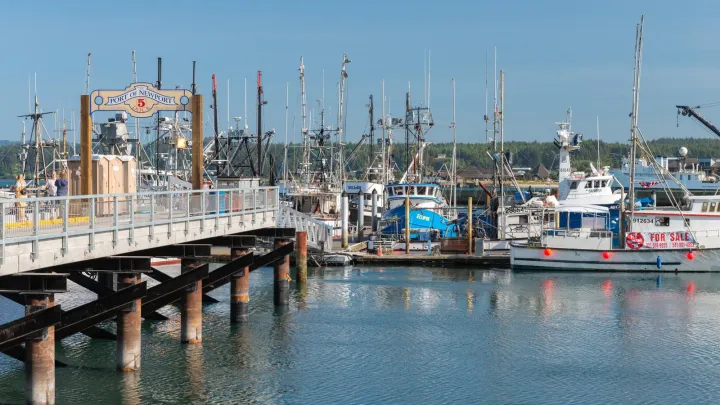
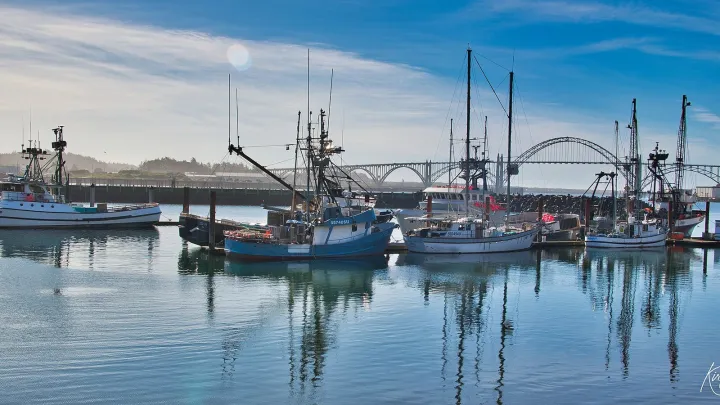
For Newport, the recovery means more room for the trawl and fixed-gear boats that work the groundfish grounds, and more bottomfish for sport anglers on charter boats out of Newport and Depoe Bay. Newport’s fleet also lands Dungeness crab, pink shrimp, whiting and albacore, as described in our story on the working waterfront.
Recreational rockfish limits and depth rules still change during the year, so check the ODFW marine report before a trip.