Photo: Ian Poellet / Wikimedia Commons, CC BY-SA 3.0
The Confederated Tribes of Siletz Indians is not one tribe but a confederation of 27 bands from western Oregon, northern California and southern Washington, according to the Oregon Blue Book. Their ancestors spoke many languages and lived along rivers from the Columbia to the Klamath. In the 1850s the federal government moved them, often by force, onto a single reservation on the central coast. More than a century later the tribe lost federal recognition altogether, then spent more than two decades winning it back.
A reservation that kept shrinking
President Franklin Pierce established the Coast Reservation, later known as the Siletz Reservation, on Nov. 9, 1855. It was about 1.1 million acres and was meant to fulfill the terms of eight treaties, according to the Blue Book. It stretched along the coast for more than 100 miles.
It did not stay that size. Yaquina Bay and the land around it were opened to white settlement in 1866, which cut the reservation in two and made room for the town that became Newport. Further openings and allotment in the decades that followed moved most of the remaining land out of tribal hands. By the middle of the 20th century, very little was left.
Termination
In the years after World War II, Congress adopted a policy known as termination, which aimed to end the federal government’s trust relationship with tribes and treat Native people the same as other citizens under state law. In practice it meant the end of federal services and the loss of tribal land.
The Western Oregon Indian Termination Act, Public Law 588, was signed by President Dwight Eisenhower on Aug. 13, 1954, according to the Oregon Encyclopedia. It affected about 2,100 people in some 60 bands in western Oregon, among them the Siletz, Grand Ronde, Coquille, Coos, Lower Umpqua and Siuslaw. Federal health, education and other services ended. Two years later the Interior Department approved a final tribal roll so members could receive a one-time per capita payment, which the Oregon Encyclopedia puts at $792.50.
Restoration
Siletz people never stopped organizing. Through the 1960s and 1970s tribal members pressed their case in Salem and Washington, D.C. Their work paid off on Nov. 18, 1977, when the Siletz Indian Tribe Restoration Act, Public Law 95-195, restored the Confederated Tribes of Siletz Indians as a federally recognized sovereign tribe and restored members’ eligibility for federal services and benefits. The Blue Book describes the Siletz as the second tribe in the nation to achieve restoration, after the Menominee of Wisconsin, and the first in Oregon.
Restoration did not return a reservation on its own. That took another three years. In September 1980, President Jimmy Carter signed Public Law 96-340, which created a 3,063-acre reservation for the tribe, according to the Oregon Encyclopedia, a small fraction of the original. Other western Oregon tribes followed the Siletz: the Cow Creek Band of Umpqua in 1982, Grand Ronde in 1983, the Coos, Lower Umpqua and Siuslaw in 1984, the Klamath in 1986 and the Coquille in 1989.
The tribe today
The tribe’s headquarters is in the town of Siletz, along the Siletz River east of Lincoln City. Membership has grown well past 5,000; the Blue Book lists 5,089 members, and more recent tribal statements describe enrollment of more than 5,500. Many members live outside Lincoln County, and the tribe operates area offices in other cities, including Eugene, where it moved into a larger office in 2026, the Register-Guard reported.
The tribe runs health care, housing, education, cultural and natural resources programs, and is governed by an elected Tribal Council. It also owns Chinook Winds Casino Resort in Lincoln City, one of the larger employers on the north end of the county.
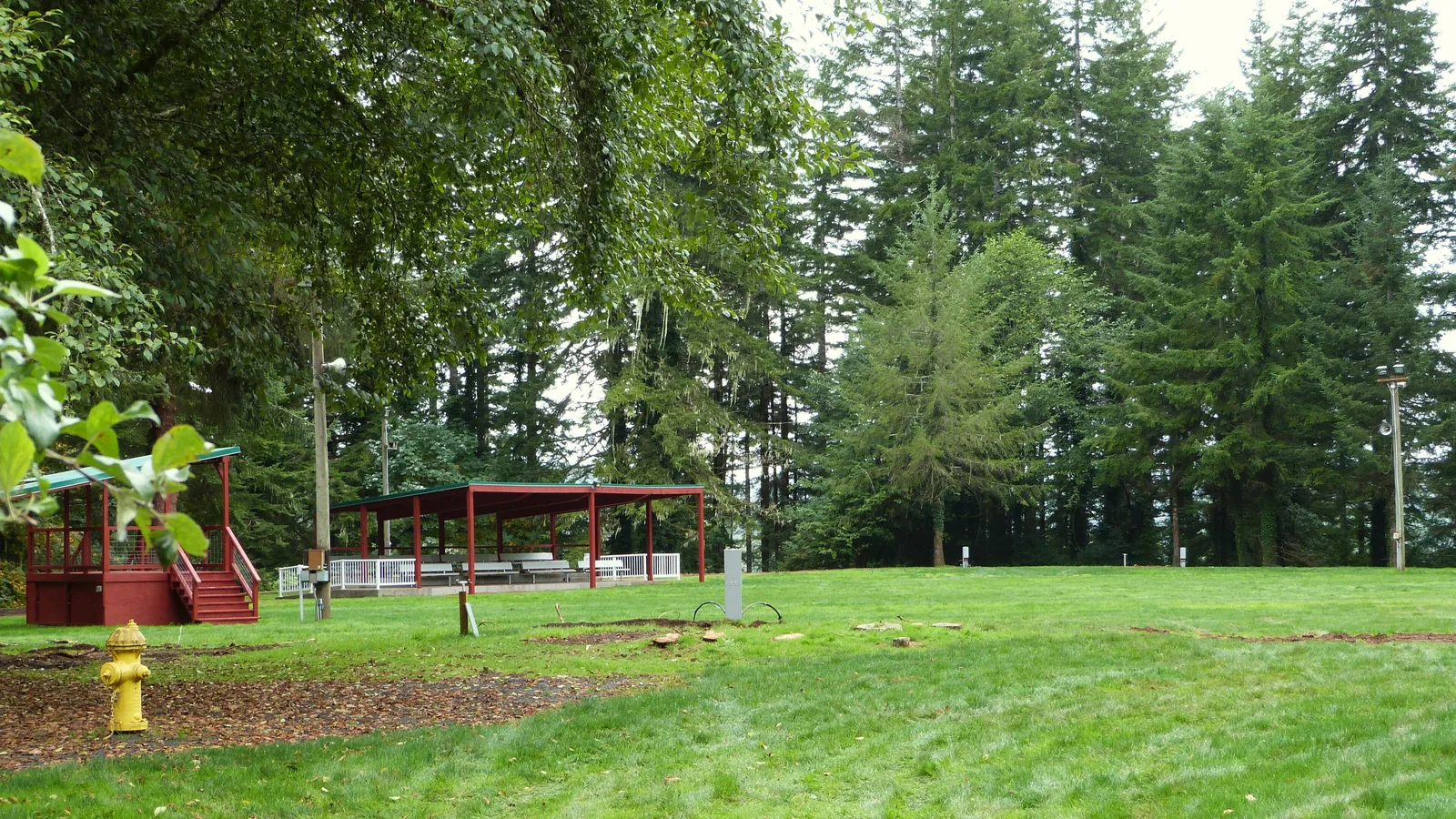
For visitors, the most public face of the tribe is the Nesika Illahee Pow-Wow, held each August at the tribe’s pow-wow grounds in Siletz. The 2026 event was held Aug. 7 through 9. The name is usually translated from Chinuk Wawa as “our land.” The gathering marks the anniversary of restoration, and it draws dancers, drummers and families from across the Northwest. Visitors are welcome; the usual etiquette applies, including asking before photographing dancers and following the announcer’s instructions during honor songs.
The story of termination and restoration is not distant history for many families here. Some elders who lived through 1954 were still in the community when the tribe regained recognition, and the effort to rebuild what was lost, land, language and services, is ongoing.
Marnie Holcomb is the editor and publisher of Oregon Coast Daily News and covers Lincoln County government and community life.