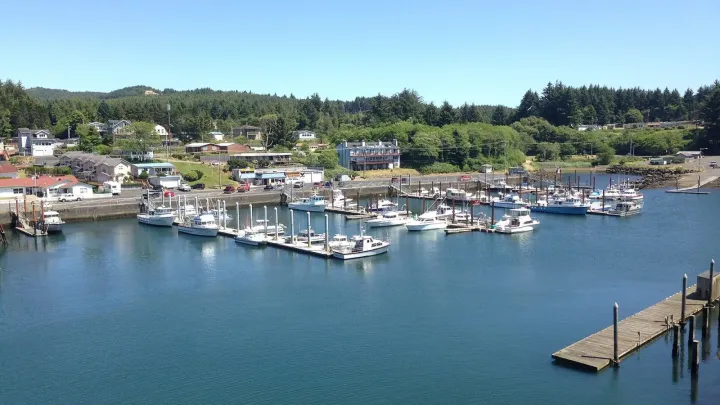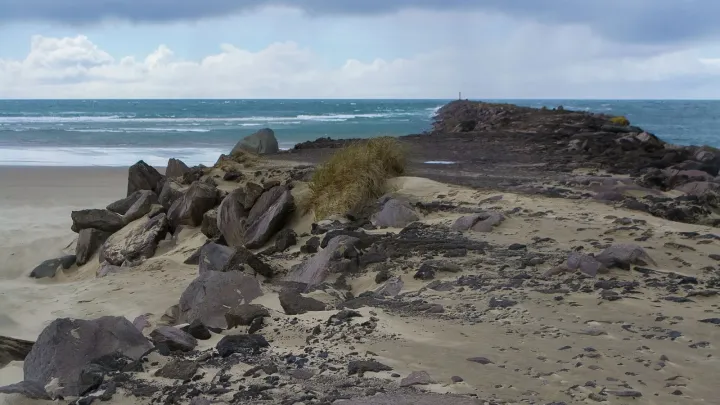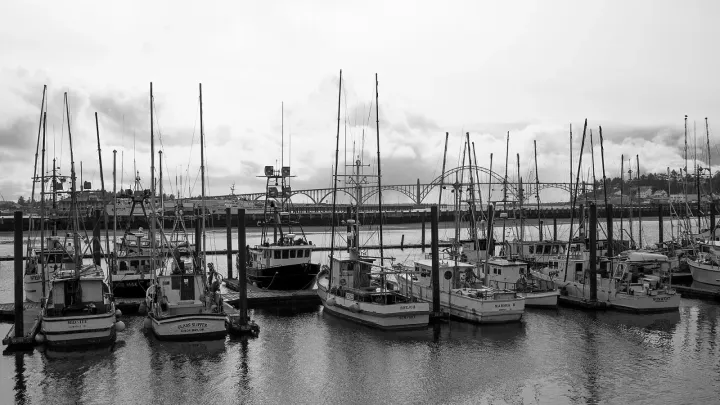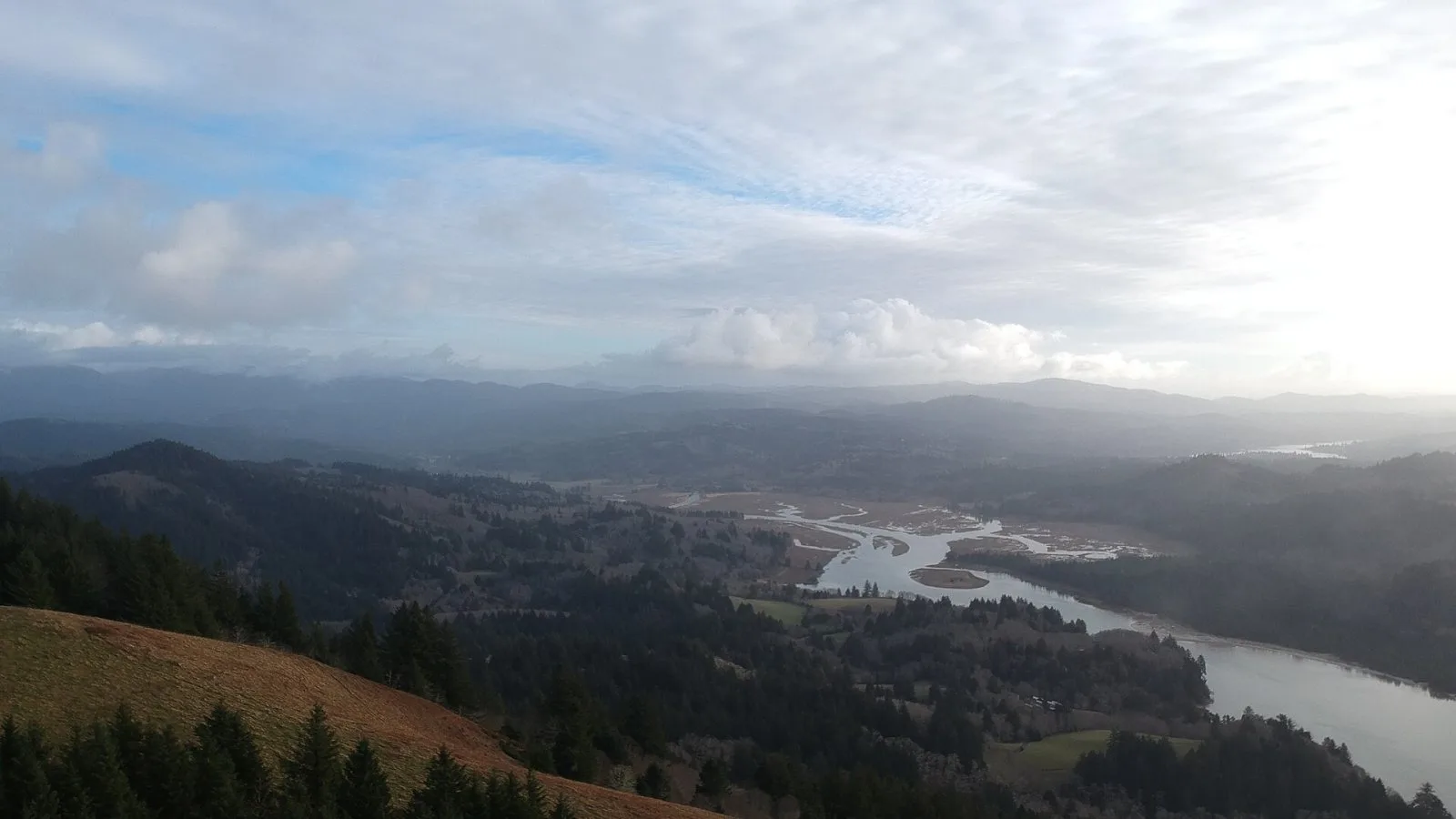
Photo: Lonelystudentwithtoomuchtime / Wikimedia Commons, CC BY-SA 4.0
The Salmon River reaches the ocean just north of Lincoln City, below the headland of Cascade Head. A few miles upstream, near Otis, the Oregon Department of Fish and Wildlife runs the Salmon River Hatchery, one of the facilities that raise salmon for the north and central coast.
What the hatchery does
The hatchery’s main program is fall Chinook. Adult salmon return in autumn, eggs are taken and fertilized, and the young fish are reared and released into the river to migrate to sea. The returning adults support sport fishing in the river and the ocean. Like other ODFW hatcheries, its programs are reviewed against state and federal rules meant to limit the effect of hatchery fish on wild populations, and the size and mix of releases can change from year to year.
An estuary that was restored
Much of the Salmon River estuary was diked and drained for pasture in the twentieth century. Starting in the late 1970s, the U.S. Forest Service and partners removed dikes in stages and let the tide back onto the marsh. The restored estuary sits inside the Cascade Head Scenic Research Area and is now studied by researchers interested in how young Chinook use tidal marsh before going to sea.
Following decisions
Changes to hatchery production are usually discussed at ODFW public meetings and in fish management plans for the coast, such as the Coastal Multi-Species Conservation and Management Plan. Those meetings are the place for anglers and conservation groups to weigh in. Fishing regulations for the river are in the Oregon Sport Fishing Regulations, with in-season changes posted in the weekly Recreation Report.
The hatchery grounds are open to visitors, and fall is the best time to see returning fish in the river.
Rosalind Teague covers ocean science, coastal hazards and the people who shaped the central coast.