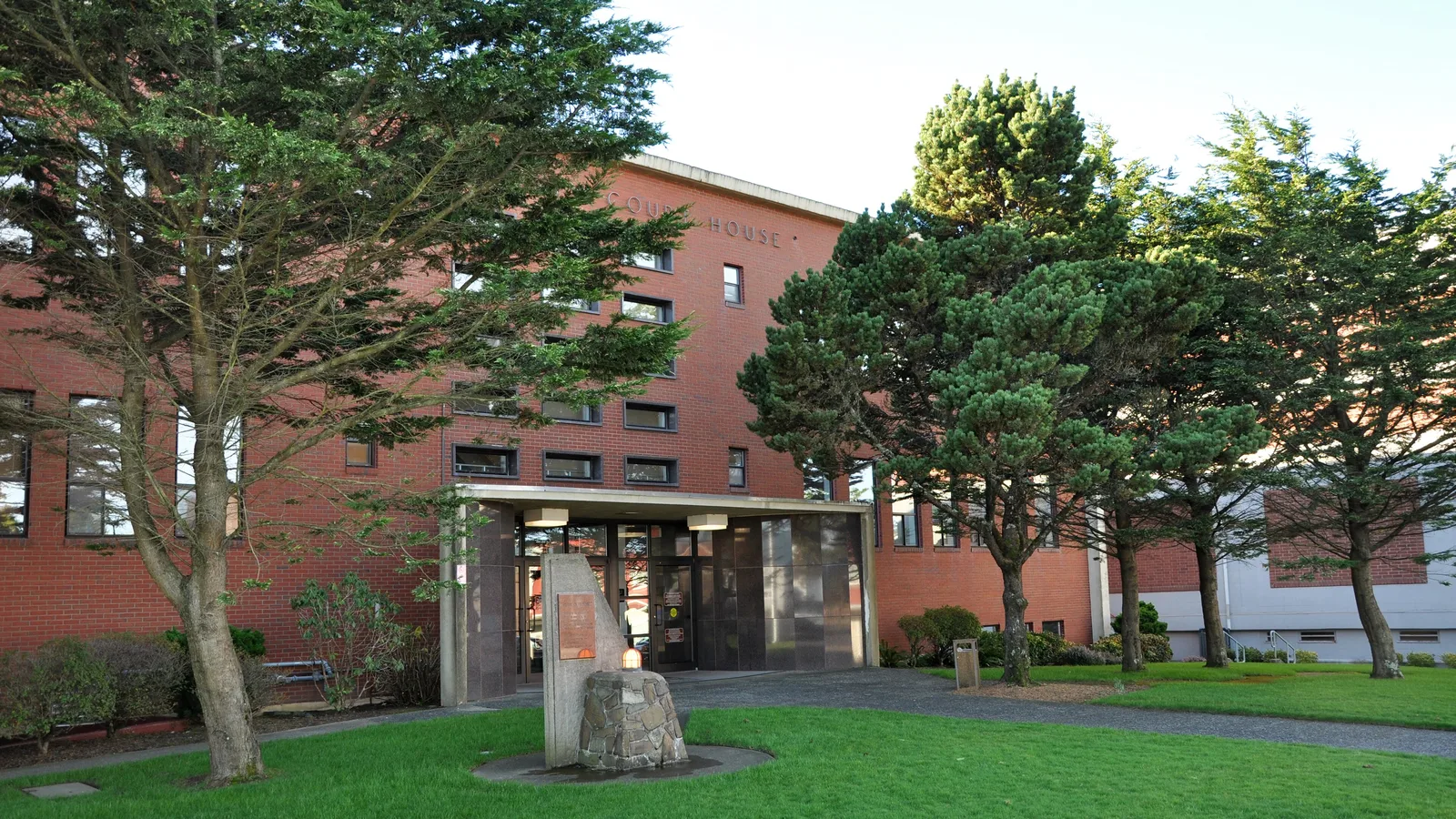
Photo: Finetooth / Wikimedia Commons, CC BY-SA 3.0
For homeowners living on Social Security or a fixed pension, the property tax bill that arrives each October can be one of the hardest expenses of the year. Oregon has a program that lets some senior and disabled homeowners hand that bill to the state, in effect borrowing the money against the value of the house. It is not a tax break. The taxes are still owed, with interest. But it can let people stay in their homes without draining their savings.
How the program works
The Oregon Property Tax Deferral for Disabled and Senior Homeowners program is run by the Oregon Department of Revenue. Once you are approved, the department pays your county property taxes on Nov. 15 each year, the date bills are due in Lincoln County and across the state. In exchange, the state records a lien on your property and becomes a security interest holder.
The deferred taxes accrue 6 percent interest a year, according to the department. The interest is simple, not compounded, and is charged only on the taxes the state has paid. When you leave the program, the balance has to be repaid in full, including the taxes paid by the state, the accrued interest and the cost of recording and releasing the lien. That usually happens when the home is sold, when the owner moves out or dies, or when the owner chooses to cancel. Heirs can pay off the balance to keep the house.
Who can qualify
The program is open to homeowners who are 62 or older, or who are receiving or eligible for federal Social Security disability benefits. The home has to be your primary residence, and there are limits on income, net worth and the value of the property. The department’s published 2026 rules include:
- Household income: $70,000 or less for the 2025 calendar year. That includes all taxable and nontaxable income of the applicant and any spouse living in the home.
- Home value: The home’s real market value must fall under a limit set for each county, which depends on how long you have lived there. The department set the 2026 minimum cap at $301,000, so a home below that value can qualify even if it is over the county’s table limit. House Bill 3712 also relaxed the limit for people who have lived in their home less than 17 years; they may qualify if the value is under 150 percent of the county’s median.
- Reverse mortgages: Most homes with a reverse mortgage do not qualify. The exception is a reverse mortgage taken out between July 1, 2011, and Jan. 1, 2017, with at least 40 percent equity remaining.
The department’s application booklet lists the other requirements, including homeowners insurance and ownership rules, and it is worth reading before you apply.
Deadlines and fees
Applications are filed with the county assessor, not with the state. In Lincoln County that means the assessor’s office at the courthouse in Newport. The regular filing window runs from Jan. 1 to April 15. Late applications are accepted from April 16 through Dec. 1 with a late fee equal to 10 percent of the most recent year’s taxes, with a minimum of $20 and a maximum of $180 for 2026. The county forwards applications to the Department of Revenue for a decision.
Once approved, participants must recertify every two years. The department mails a recertification notice in February, and it can be completed online through Revenue Online or on paper. Missing that step can drop you from the program, though the department has a retroactive request form for people who fell behind.
Mortgages and lenders
State law bars mortgage companies and other lenders from blocking a homeowner from joining the deferral program. If your taxes are normally paid through a mortgage escrow account, tell your lender once you are approved, so the bank and the state do not both pay the bill.
Back taxes
Homeowners already behind on property taxes for years before they joined may be able to delay foreclosure while they are on the program. The delay ends if they are later disqualified.
Who to call
The Department of Revenue’s deferral unit can be reached at 503-945-8348 or 800-356-4222, weekdays from 8 a.m. to 5 p.m., or at deferral.unit@dor.oregon.gov. The Lincoln County Assessor’s office can help with the application itself and answer questions about your home’s assessed and market values. For how the rest of the tax bill is built and when it is due, see our guide to property tax deadlines.