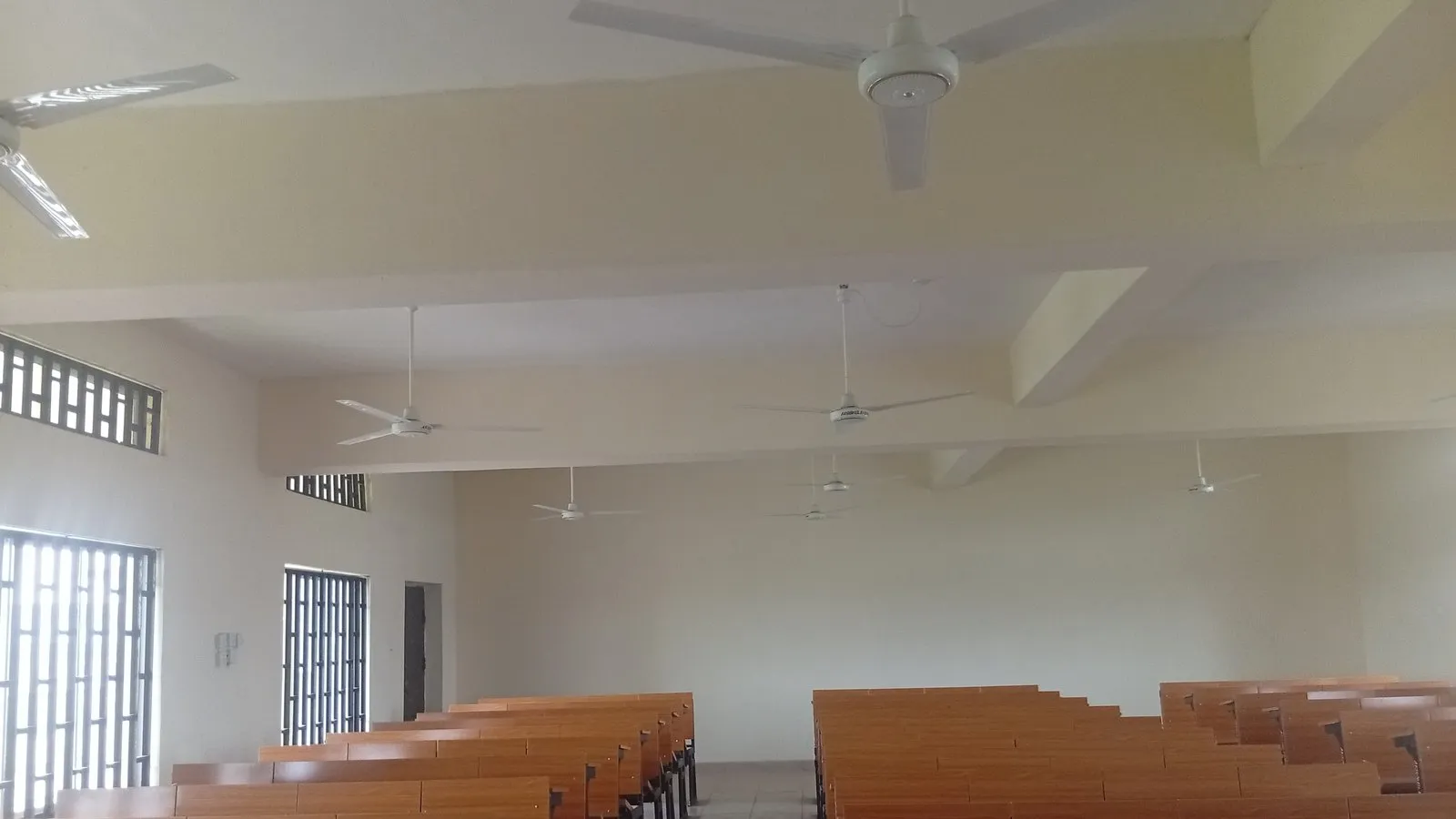
An empty classroom. Oregon students earning a diploma on or after Jan. 1, 2027, must complete a half-credit in personal financial education. Photo: Paul The Writer, CC0, via Wikimedia Commons.
Students who earn an Oregon Diploma or a Modified Diploma on or after Jan. 1, 2027, will have to complete a half-credit in Personal Financial Education, the Lincoln County School District explained on Nov. 5. The requirement comes from Senate Bill 3. It is folded into the existing 24 credits needed to graduate, the district said, and does not add credits to the total.
Lincoln County schools have taught financial topics for years, including a Financial Algebra course and pieces of the subject in math, economics and career classes. The new course is separate. “In math, students might calculate interest. In personal finance, we explore what that interest means when choosing a credit card, taking out a loan or saving for retirement,” Waldport High School teachers Heather Greel and Conner Swertfeger said in a joint statement the district published. “Students compare options, evaluate risks and explain their decisions.”
The topics listed by the district include personal income and taxes, checking and savings accounts, budgeting, credit, loans, car leasing and buying, mortgages, stocks, insurance and retirement planning. The district uses materials from Next Gen Personal Finance as a foundation and aligns the work with Oregon’s standards, including Oregon examples for taxes and local costs. Greel and Swertfeger said banking, budgeting, credit and reading a paycheck are immediately useful, and that saving and investing also deserve substantial time because starting early matters.
The official state description of the requirement is on the Oregon Department of Education’s Personal Financial Education page. The district said this article is part of a five-part series on the new graduation rules.