Photo: U.S. Congress / Wikimedia Commons, Public domain
Drive south over the Yaquina Bay Bridge, turn toward the bay at the aquarium sign, and you reach a cluster of labs, research vessels and a public visitor center on the South Beach shore. Most people in Newport call it simply “Hatfield.” The full name is the Mark O. Hatfield Marine Science Center, and it honors the Oregon politician who backed it for decades.
The man behind the name
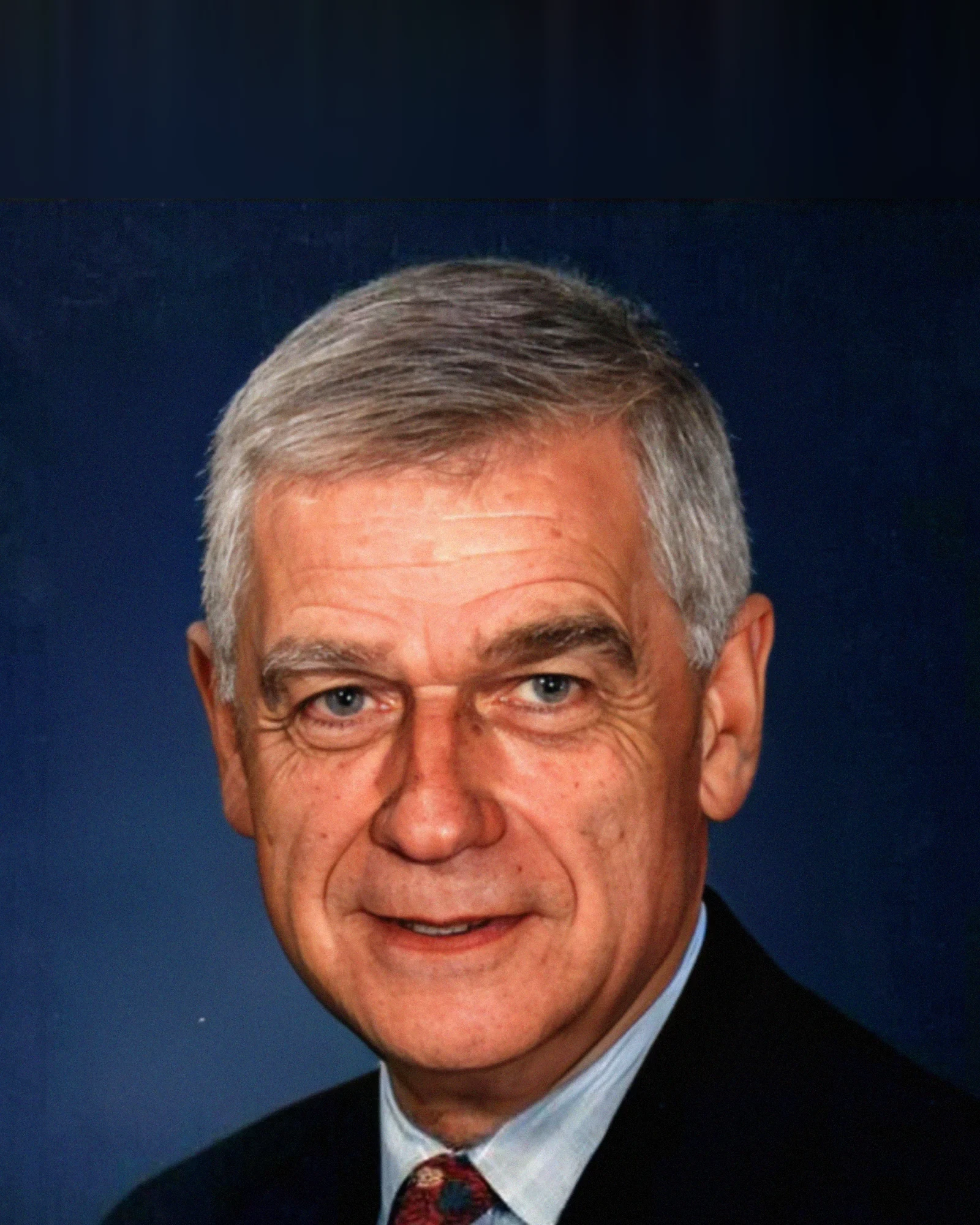
Mark Odom Hatfield served as Oregon’s governor from 1959 to 1967 and then spent 30 years in the U.S. Senate, from 1967 to 1997. A Republican from Salem, he was known for voting his conscience. The Senate Historical Office notes that, shaped by his World War II service and his Christian faith, he never voted for a military authorization bill, from Vietnam through the 1991 Persian Gulf War. In 1971 he co-sponsored an amendment calling for the withdrawal of all U.S. troops from Vietnam.
His greater influence for Oregon came through money. Hatfield chaired the Senate Appropriations Committee from 1981 to 1987 and again from 1995 to 1997, a position that let him steer federal dollars to research and public works in his home state. In 1995 he was the lone Republican to vote against a balanced budget amendment that failed by one vote. He died in Portland on Aug. 7, 2011, at 89.
How the center started
Oregon State’s marine research in Newport predates the current campus. In 1939, Roland Dimick, head of OSU’s fisheries and wildlife department, set up the Yaquina Bay Fisheries Laboratory at Sally’s Bend, across the bay, according to the center’s own history. By the early 1960s, three needs lined up. The fisheries lab needed room. Wayne Burt, who founded OSU’s oceanography department, needed a home port for research vessels. And Newport, hit by declines in fishing and logging, needed an economic boost.
Federal money from the Area Redevelopment Administration paid for the new facility. The Port of Newport gave OSU a 99-year lease on 49 acres at the old Yaquina Bay ferry dock, and the university agreed to run a public aquarium as part of the deal. The Marine Science Center opened in June 1965. Early research covered oyster culture, pesticide effects on estuary animals, rocky shore ecology and parasites. Some 50,000 people visited in the first year, more than the scientists could handle, and that public demand helped push OSU into marine extension work. Oregon State became one of the first four Sea Grant colleges in the nation.
Becoming a federal hub
The Oregon Department of Fish and Wildlife built on the campus in 1970. The Environmental Protection Agency arrived in 1980 and NOAA research programs in 1981. In 1983 the center was named for Hatfield, in recognition of his long support. Under the new name, the campus added the Coastal Oregon Marine Experiment Station in 1989, a U.S. Fish and Wildlife Service building in 1990 and the Guin Library in 1991. An expanded and renovated visitor center was dedicated in 1997, and NOAA’s Barry Fisher building followed in 2003. Today the center lists collaborations with six state and federal agencies on a roughly 40-acre campus.
Lavern Weber, the center’s first resident director, began a long tenure in 1977. The center credits him with uniting programs that had worked separately and with pushing through a seawater pumping and storage system that much of today’s research depends on. His successor, George Boehlert, oversaw the founding of the Marine Mammal Institute and laid the groundwork for OSU’s Marine Studies Initiative. The center says that work with the community also helped shape the Port of Newport’s successful bid for the NOAA Marine Operations Center-Pacific.
A building made for the next earthquake
The newest major addition is the Gladys Valley Marine Studies Building, which opened in 2020. It sits in the tsunami inundation zone, so it was built to withstand a Cascadia earthquake and tsunami and has a rooftop vertical evacuation platform about 47 feet up, with room for more than 900 people, according to OSU.
Visiting
The visitor center at 2030 SE Marine Science Drive is the public face of the campus, with hands-on exhibits about Oregon’s ocean and estuary. Check the center’s website for current hours. With the Oregon Coast Aquarium next door, South Beach has become one of the coast’s main spots for marine science, a legacy built on the old ferry landing and on the senator whose name it carries.
Rosalind Teague covers ocean science, coastal hazards and the people who shaped the central coast.